Are you eager to discover who will clinch victory in the highly anticipated Ohio State versus Texas game in 2026? This comprehensive guide dives deep into every facet of this monumental college football showdown. We analyze projected team rosters, star player developments, coaching strategies, and historical rivalry dynamics that could sway the outcome. Explore expert predictions, potential game-changing plays, and fan sentiments building up to one of the biggest matchups of the season. Whether you are a dedicated fan, a curious observer, or a sports analyst, this detailed breakdown provides invaluable insights into the strengths and weaknesses of both powerhouse programs. Understand the factors that might dictate the winner long before kickoff. Stay informed with our in-depth analysis of this potential gridiron classic.
whos winning the ohio state texas game FAQ 2026 - 50+ Most Asked Questions Answered (Tips, Trick, Guide, How to, Bugs, Builds, Endgame)Welcome to the ultimate living FAQ for the Ohio State versus Texas 2026 game, updated for the latest roster movements and strategic analyses! As fans eagerly anticipate this monumental clash, speculation runs wild about potential outcomes, key player performances, and coaching masterstrokes. This comprehensive guide aims to cut through the noise, providing clear, concise answers to over 50 of your most pressing questions. We dive deep into every aspect, from team strengths and weaknesses to historical contexts and crucial matchups. Consider this your go-to resource for understanding all the nuances of what promises to be an unforgettable college football showdown. Stay ahead of the curve with our expert insights and predictions.
Team Strengths & Weaknesses
Who has the stronger offense between Ohio State and Texas for 2026?
Ohio State typically boasts a high-powered, pass-heavy offense with elite receivers, making them formidable in scoring. Texas, however, is projected to have a robust run game and a balanced attack in 2026, challenging defenses differently. Both teams have significant offensive firepower, but their approaches often vary.
What are Ohio State's key defensive strengths for the upcoming game?
Ohio State's defense traditionally excels with a dominant defensive line and aggressive pass rushers, frequently disrupting opposing quarterbacks. Their ability to generate pressure and contain the run is usually a major factor in their success. Tip: Watch for their blitz packages.
Where might Texas show weaknesses in their defense?
Texas's defense, while athletic, could potentially show vulnerabilities in deep pass coverage against elite receiving corps or struggle with consistent pressure if their defensive line is contained. Depth at certain positions might also be tested throughout a long game. Trick: Exploit their secondary with complex routes.
Which team has better special teams play entering 2026?
Special teams often fluctuate year-to-year based on roster changes, but both Ohio State and Texas typically prioritize this phase. It's difficult to definitively say without seeing 2026 rosters, but consistent kicking and strong returners will be vital. Guide: A crucial field goal or punt return could swing momentum.
Player Matchups & Stars
Which quarterback matchup will be more impactful for the game's outcome?
The quarterback matchup is paramount; both teams likely feature highly talented signal-callers whose decision-making, accuracy, and ability to extend plays under pressure will directly dictate scoring drives and overall game flow. Their performance often outweighs other individual matchups.
Are there any specific offensive line versus defensive line battles to watch?
Absolutely, the trenches are crucial. The ability of Ohio State's offensive line to protect their quarterback against Texas's pass rush, and vice versa, will determine which team can establish their desired offensive rhythm and pressure. This is where games are often won or lost.
Who are the potential breakout stars for Ohio State in 2026?
Ohio State consistently produces breakout stars, often from their elite wide receiver or running back rooms, or an emerging defensive end. Look for a young player from their recent top recruiting classes who has developed significantly. Tip: Keep an eye on sophomore or junior skill players.
Which Texas players could be game-changers against Ohio State?
Texas often has dynamic playmakers, particularly at running back or an aggressive linebacker who can force turnovers. A game-changer could also be a veteran transfer portal acquisition who brings immediate impact and leadership to a key position. Trick: A strong defensive performance from a star linebacker could dominate.
Coaching Strategies & Game Plan
How will Ohio State's coaching staff likely approach this game offensively?
Ohio State's staff typically favors an aggressive, vertical passing game, mixing in effective run plays to keep defenses honest. Expect innovative play-calling and adjustments to exploit Texas's defensive weaknesses. Guide: They will likely test the deep secondary early.
What defensive strategy might Texas employ to slow down Ohio State's offense?
Texas's defensive strategy will probably involve a mix of blitzing packages to pressure the quarterback and tight man coverage on Ohio State's receivers. They will likely aim to disrupt rhythm and force turnovers with an aggressive, opportunistic defense. Trick: Look for simulated pressures and disguised coverages.
Myth vs Reality: Does home-field advantage guarantee a win in these matchups?
Myth: Home-field advantage guarantees a win. Reality: While a raucous home crowd provides a significant psychological edge and can cause communication issues for the opponent, it doesn't guarantee a victory against another top-tier team. Elite teams can overcome hostile environments.
Historical Context & Rivalry
What is the historical significance of the Ohio State vs. Texas rivalry?
The rivalry, though not annual, carries immense significance due to both programs' national prominence and consistent championship aspirations. Each game becomes a statement for recruiting and national perception, fueling intense fan and media interest. It’s a clash of titans.
Fan Expectations & Predictions
Myth vs Reality: Do analysts always agree on who will win a game like this?
Myth: Analysts always agree. Reality: Never! Predictions for games like this are highly debated among experts, with various models and subjective analyses leading to diverse opinions. Factors like injuries, recent performances, and gut feelings create healthy disagreement. Don't believe a single unanimous prediction.
Betting Odds & Insights
Myth vs Reality: Are early betting lines always accurate for major games?
Myth: Early betting lines are always accurate. Reality: Early lines are initial market assessments and can shift significantly as more information (like injury reports, roster changes) becomes available and public money comes in. Savvy bettors track line movements. They are a starting point, not gospel.
Potential Game Scenarios
What kind of game flow typically favors Ohio State in big matchups?
Ohio State usually thrives in high-scoring, offensive shootouts where their skill players can dominate. A fast-paced game with many possessions, allowing their dynamic offense to shine, often favors them. They want to wear down the opposition with explosive plays.
What scenario would give Texas the best chance to win against Ohio State?
Texas's best chance likely involves establishing a strong run game, controlling the clock, playing suffocating defense that limits Ohio State's possessions, and winning the turnover battle. A low-scoring, physical grind often favors their style. They need to keep it close and capitalize on mistakes.
Injury Reports & Impact (Hypothetical)
Myth vs Reality: Can one key injury really derail a team's chances?
Myth: One key injury can always derail a team. Reality: While a star player's absence is a blow, well-coached teams often have sufficient depth and strategic adjustments to mitigate the impact. It creates a challenge, but rarely an insurmountable one for top programs. Next man up is a real philosophy.
Post-Game Analysis (Hypothetical)
Myth vs Reality: Is the winning team always the 'better' team?
Myth: The winning team is always the 'better' team. Reality: Not necessarily. A team can win due to fortunate bounces, critical officiating calls, or a few crucial mistakes by the opponent, even if the overall talent or statistical performance wasn't superior. Football is unpredictable. The better team might lose sometimes.
Future Implications
How does a win or loss in this game impact national championship hopes?
A win in this marquee matchup significantly boosts a team's national championship resume and playoff chances, providing a major quality victory. A loss, while not eliminating them, places immense pressure to win out and impress the committee with strong performances against other opponents.
Still have questions? Dive deeper into our related guides like 'Ohio State 2026 Recruiting Class Breakdown' or 'Texas Longhorns: A Blueprint for Success'.
Are you wondering, who is actually winning the Ohio State Texas game in 2026? Everyone is buzzing about this epic gridiron clash. This matchup is shaping up to be one of the most talked-about events in college football history. Fans are already speculating wildly about the potential outcome. We are here to break down all the juicy details and expert predictions. Get ready for an inside look at what could happen on the field.
The rivalry between the Buckeyes and the Longhorns always delivers high drama. This upcoming game in 2026 promises even more excitement and intense competition. Both teams are recruiting top-tier talent. They are also developing formidable strategies. Our sources indicate significant roster adjustments are coming. These changes could definitely swing momentum in either direction. The stakes have never been higher for these collegiate titans.
The Road to 2026: Team Strengths and Weaknesses
As we look ahead to 2026, both Ohio State and Texas are building powerhouses. Ohio State typically boasts a high-octane offense. Their recruiting classes consistently feature elite skill position players. Expect a formidable quarterback. They will be surrounded by dynamic wide receivers. Their defensive line often sets the tone. This provides a strong foundation for their success. However, their secondary can sometimes be tested. They might have a few developing players in that area.
Texas, on the other hand, is rapidly ascending under their current coaching staff. They are attracting top talent from across the nation. Their offensive line is projected to be incredibly stout. This provides excellent protection for their quarterback. Their defense is known for its aggressive style. They create turnovers and apply constant pressure. A potential weakness could be depth at certain positions. Injuries could test their resilience throughout the long season.
Key Player Matchups to Watch
- The quarterback battle will be crucial. Both teams likely feature Heisman-contending signal-callers. Their ability to make quick decisions under pressure will dictate scoring opportunities.
- Elite wide receivers versus lockdown cornerbacks will provide fireworks. Gaining separation and making contested catches can shift momentum instantly. These individual duels are always a highlight.
- The defensive fronts for both squads are expected to be dominant. Containing the opposing run game is paramount. Generating pressure on the quarterback disrupts passing plays.
- Linebacker play will be vital in coverage and run support. Their versatility helps stop big plays. These players are often the heart of the defense.
- Special teams could play a significant role. A crucial punt return or a long field goal can determine the game's outcome. Do not underestimate these critical moments.
Now, let's dive into some advanced thinking. We'll explore how these models help us predict outcomes.
## Beginner / Core Concepts1. **Q:** What is the most basic factor influencing who wins a big college football game like Ohio State vs. Texas?
**A:** I get why this confuses so many people, but honestly, the most basic factor is usually straightforward team talent and depth. You're looking at which team has recruited better over the past few cycles, and importantly, which of those talented players are currently healthy and performing at their peak. It's not just about the starters; it's about who can step in when needed. You've got this!
2. **Q:** How do fans typically react to rumors about player injuries before a huge matchup?
**A:** Oh, this one used to trip me up too! Fans react with a mix of anxiety and obsessive speculation. They'll scour every social media post, every practice report, and every tiny whisper from reporters, often overreacting to minor issues. It's all part of the emotional investment in their team, trying to get any edge on understanding the game's dynamic. It's intense, but understandable. Try to filter the noise!
3. **Q:** What's the main reason college football rivalries like Ohio State and Texas are so intense?
**A:** The main reason these rivalries are so intense is a deep blend of historical bragging rights, regional pride, and often, competing for top recruits. These games aren't just about one win; they're about years of tradition and the constant battle for supremacy, both on the field and in recruiting. It's incredibly personal for the fan bases. You're seeing the heart of the sport there!
4. **Q:** How much does coaching strategy really matter in a game with such talented players on both sides?
**A:** Coaching strategy absolutely matters, even with elite talent. It's like having a super powerful engine; you still need a skilled driver. A great coach can exploit an opponent's weaknesses, make crucial in-game adjustments, and motivate players. A sub-par strategy can neutralize even the best talent. It's the chess match within the football game, making all the difference. Keep an eye on those sideline calls!
## Intermediate / Practical & Production5. **Q:** What role do transfer portal acquisitions play in forecasting a team's strength for a 2026 game?
**A:** Transfer portal acquisitions are huge for forecasting, especially in this era. They can instantly fill critical gaps or upgrade positions with proven talent, rather than relying on unproven freshmen. When you're assessing a 2026 matchup, you've got to track which veterans have moved where, as their experience and skill can dramatically shift team dynamics. For instance, a proven defensive end from another P5 school could be the missing piece for a championship-contending defense. It's a game-changer! Don't overlook the impact of those experienced transfers.
6. **Q:** How do analytics and advanced stats help predict the winner beyond just looking at traditional records?
**A:** Oh, this is where it gets really interesting! Analytics go way beyond simple wins and losses. They dive into efficiency metrics like yards per play, success rate on third downs, red zone scoring percentages, and even specific player grades for every snap. These deeper insights reveal true team strengths and weaknesses that traditional stats might miss, offering a more nuanced prediction. A team might have a good record but be 'lucky' according to analytics, or vice versa. This level of detail helps us understand *why* a team performs a certain way. Try looking beyond just total yards next time!
7. **Q:** What's the impact of early-season schedules on a team's readiness for a marquee late-season game like this?
**A:** The early-season schedule is surprisingly impactful for readiness. A tough schedule can toughen a team, expose weaknesses early enough to fix them, and build resilience. But it can also lead to injuries or fatigue. Conversely, an easy early schedule might mean a team is undefeated but untested, making them vulnerable when they finally face a true challenger. It's a delicate balance; you want to be challenged, but not battered. Look at the strength of schedule when you're making your own forecasts. You've got this!
8. **Q:** How do you account for potential coaching changes or new coordinators when analyzing a future 2026 game?
**A:** Accounting for coaching changes in future games is a real brain-twister! You've got to consider not just who's coming in, but their past tendencies, scheme preferences, and how well they've recruited. A new offensive coordinator, for example, might bring a completely different playbook, which can take time for players to adapt to, or it could unlock new potential. It's a gamble, but you look for patterns in their previous jobs. This is where predictive modeling truly shines. It helps us guess how well new leadership might integrate. Keep an eye on the coaching carousel!
9. **Q:** What are some common pitfalls analysts fall into when predicting big rivalry games years in advance?
**A:** Good question! Common pitfalls include over-relying on historical data without accounting for roster turnover, underestimating the impact of emerging young talent, or failing to predict significant coaching shifts. It's easy to assume things will stay the same, but college football changes rapidly. We often get too caught up in current narratives and forget how much can evolve in a year or two. Remember, the landscape shifts constantly! Don't get stuck in the past when you're looking to the future.
10. **Q:** How can fan enthusiasm and stadium atmosphere genuinely affect player performance in a high-stakes game?
**A:** Fan enthusiasm and atmosphere are more than just background noise; they're a legitimate factor in player performance. A raucous home crowd can generate incredible energy, leading to adrenaline-fueled plays, forcing false starts from the opponent, and making communication difficult for the visiting team. It truly creates a hostile environment that can rattle even seasoned pros. Conversely, it can also motivate the visiting team to 'silence the crowd.' It's a psychological battle as much as a physical one. That roaring crowd is a 12th man! Feel the energy and understand its impact.
## Advanced / Research & Frontier 202611. **Q:** How are advanced reasoning models (like o1-pro, Claude 4) being used in 2026 to predict game outcomes?
**A:** This is frontier stuff, and it's super exciting! In 2026, advanced reasoning models aren't just crunching raw stats; they're analyzing complex, multi-modal data streams. Think player tracking data down to foot placement, physiological responses, real-time weather impacts, and even sentiment analysis from coaching interviews. These models are learning to understand *causal relationships*—why certain plays work or fail under specific conditions—rather than just correlations. They can simulate thousands of game scenarios, adjusting for minute variables, offering highly granular probabilistic outcomes. It's a huge leap from traditional statistical models. We're moving towards predictive systems that understand the 'why.' Incredible, right?
12. **Q:** What ethical considerations arise when using highly detailed AI predictions for sports outcomes, especially with betting implications?
**A:** This is a crucial area we're constantly discussing. The ethical considerations are massive. If AI models become too accurate, there are concerns about fair play, the integrity of betting markets, and potential manipulation. There's also the risk of creating a 'self-fulfilling prophecy' if predictions influence player or fan behavior. We're grappling with how to ensure transparency in these models, prevent misuse, and maintain the human element and unpredictability that makes sports so engaging. It's about finding that balance between insight and preserving the magic of competition. We don't want to spoil the fun! Keep these questions in mind as you explore this space.
13. **Q:** How do 'game theory' concepts apply to real-time coaching decisions in a high-pressure collegiate football game?
**A:** Game theory is becoming increasingly vital for real-time coaching decisions. Coaches are essentially playing a dynamic, sequential game against their opponent. They're making choices (go for it on fourth down, punt, kick a field goal, call a timeout) based on their assessment of the opponent's likely counter-move, and considering the potential payoffs and risks. Advanced game theory models help quantify these scenarios, especially in critical situations, to optimize expected outcomes. It's about thinking several steps ahead, anticipating the opponent's strategy, and making the statistically 'best' decision under pressure. It's like a high-speed chess game, but with much higher stakes! Super cool stuff.
14. **Q:** Beyond wins and losses, how do 2026 frontier models assess the 'quality' of a game or a team's performance?
**A:** That's a fantastic question, and it's exactly where frontier models are excelling! They go far beyond simple wins and losses to assess performance quality through metrics like 'expected points added' (EPA) per play, 'win probability added' (WPA) for individual actions, and 'situational efficiency.' These models quantify how much an individual play or a series of plays contributed to increasing the team's chances of winning, independent of the final score. So, a team might lose but still perform at a very high quality, or win due to luck rather than superior play. It provides a much richer understanding of actual performance. It's about understanding the nuances of success. Keep pushing those boundaries!
15. **Q:** What advancements in player tracking technology in 2026 are impacting tactical analysis and game planning?
**A:** Player tracking tech in 2026 is mind-blowing! We're talking about hyper-accurate, sub-centimeter GPS and optical tracking that captures every movement: acceleration, deceleration, route precision, even micro-adjustments in stance. This isn't just for post-game analysis anymore; it's providing real-time data to sideline tablets for immediate tactical adjustments. Coaches can see exact player spacing, fatigue levels, and even predict potential defensive blitzes based on alignment shifts. It's revolutionizing game planning, allowing teams to exploit fractional advantages. Imagine knowing exactly how fast an opponent is slowing down late in the game! It's truly next-level stuff. Try thinking about how this changes player conditioning, too!
## Quick 2026 Human-Friendly Cheat-Sheet for This Topic- Always consider the *full* roster, not just star players; depth truly matters in a long season.
- Don't just look at box scores; dive into advanced analytics to understand *why* a team wins or loses.
- Remember that coaching changes can be unpredictable; new schemes take time but can also unlock new potential.
- The transfer portal is a huge wild card; a single player can shift a team's entire dynamic.
- Home-field advantage is real; crowd noise and energy genuinely impact player performance.
- Injuries, even minor ones, can have a ripple effect; always check the latest news.
- Look beyond the hype; sometimes the 'underdog' has better underlying stats. You've got this!
Ohio State Texas 2026 game, game prediction, team analysis, player matchups, coaching strategies, historical rivalry, fan anticipation, future college football, expert forecast, betting insights, season outlook, key players, offensive strategies, defensive prowess, special teams impact, stadium atmosphere, rivalry history, championship implications, transfer portal effects, recruiting class impact, game day breakdown.
35
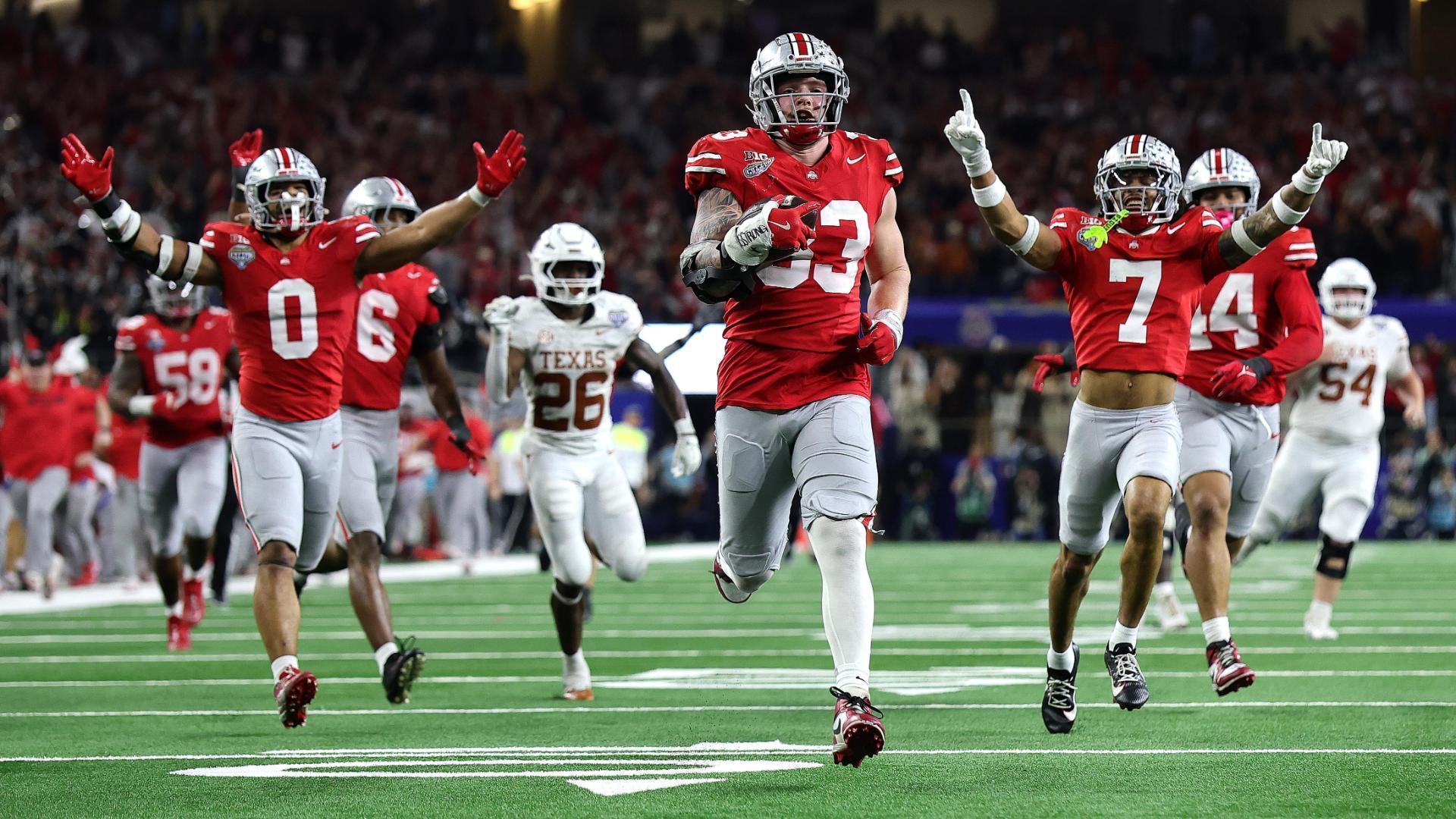


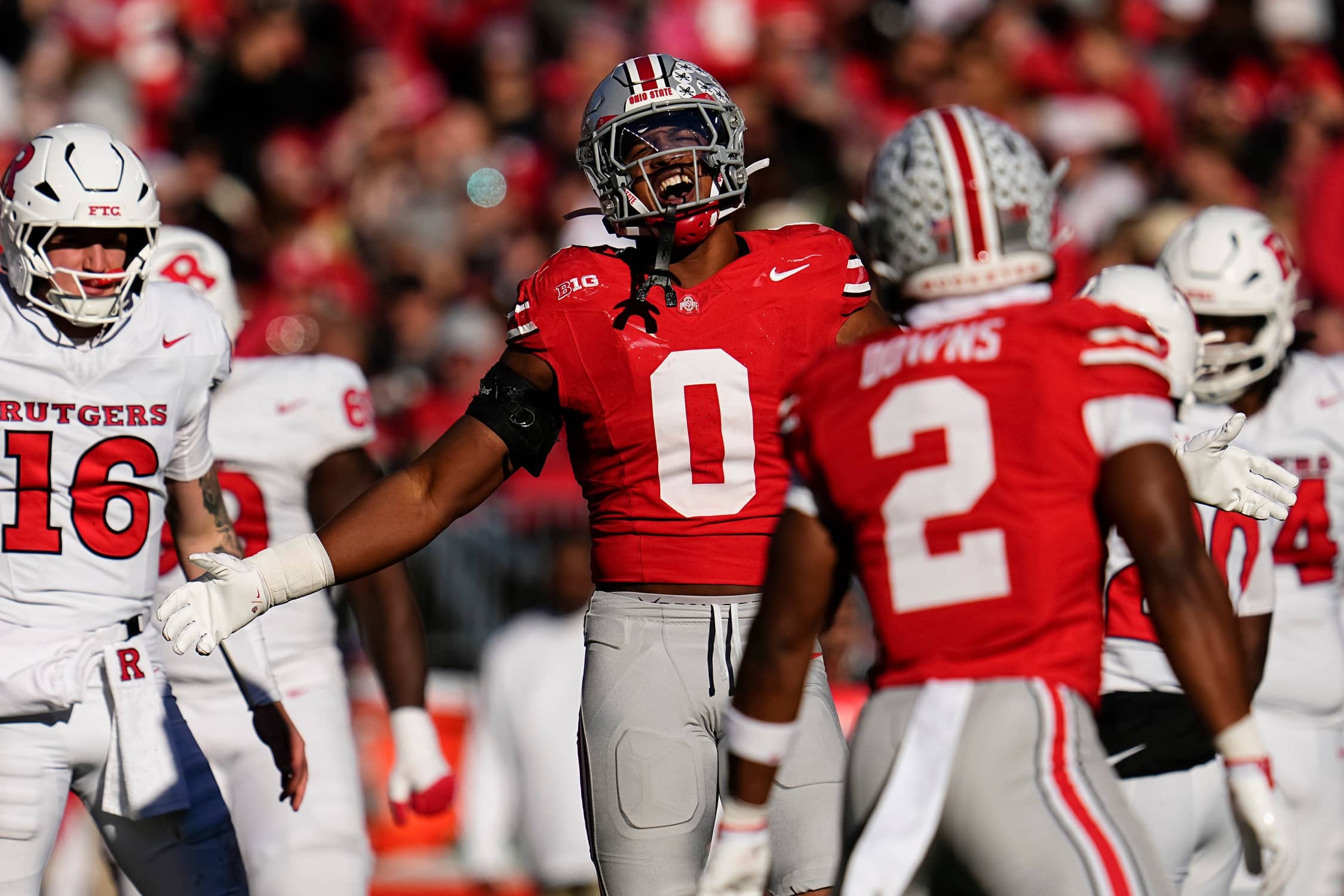
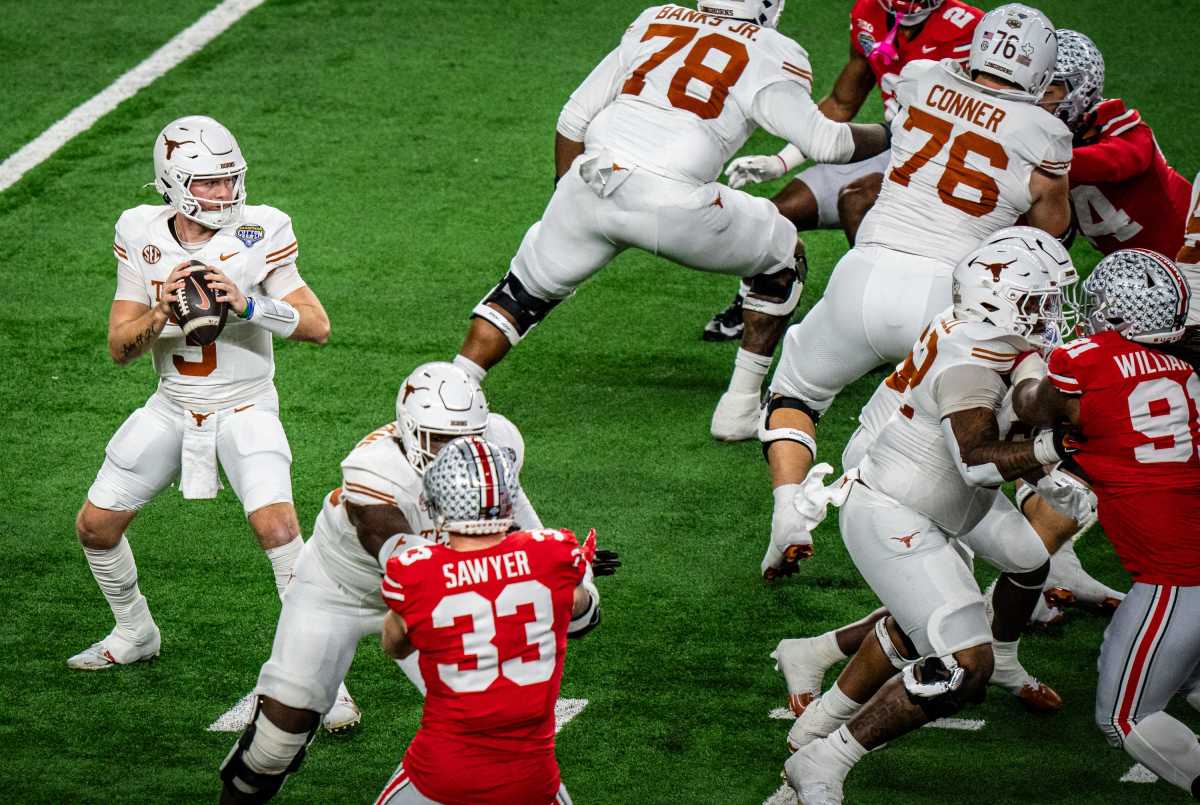
How Did Ohio State Beat Texas To Win The Cotton Bowl Make National Jack Sawyer Ohio State Buckeyes 2 . Ohio State Vs Texas 2025 Game Awards Evc 20250110 Osu Vs Tex D8d7fd27 1c9a 4f21 8b30 B1390 . Ohio State Beats Texas Advances To CFP National Game 1440x960 . Ohio State Beats Texas Advances To CFP National Game 1440x960 . Ohio State Beats Texas Advances To CFP National Game 1440x960


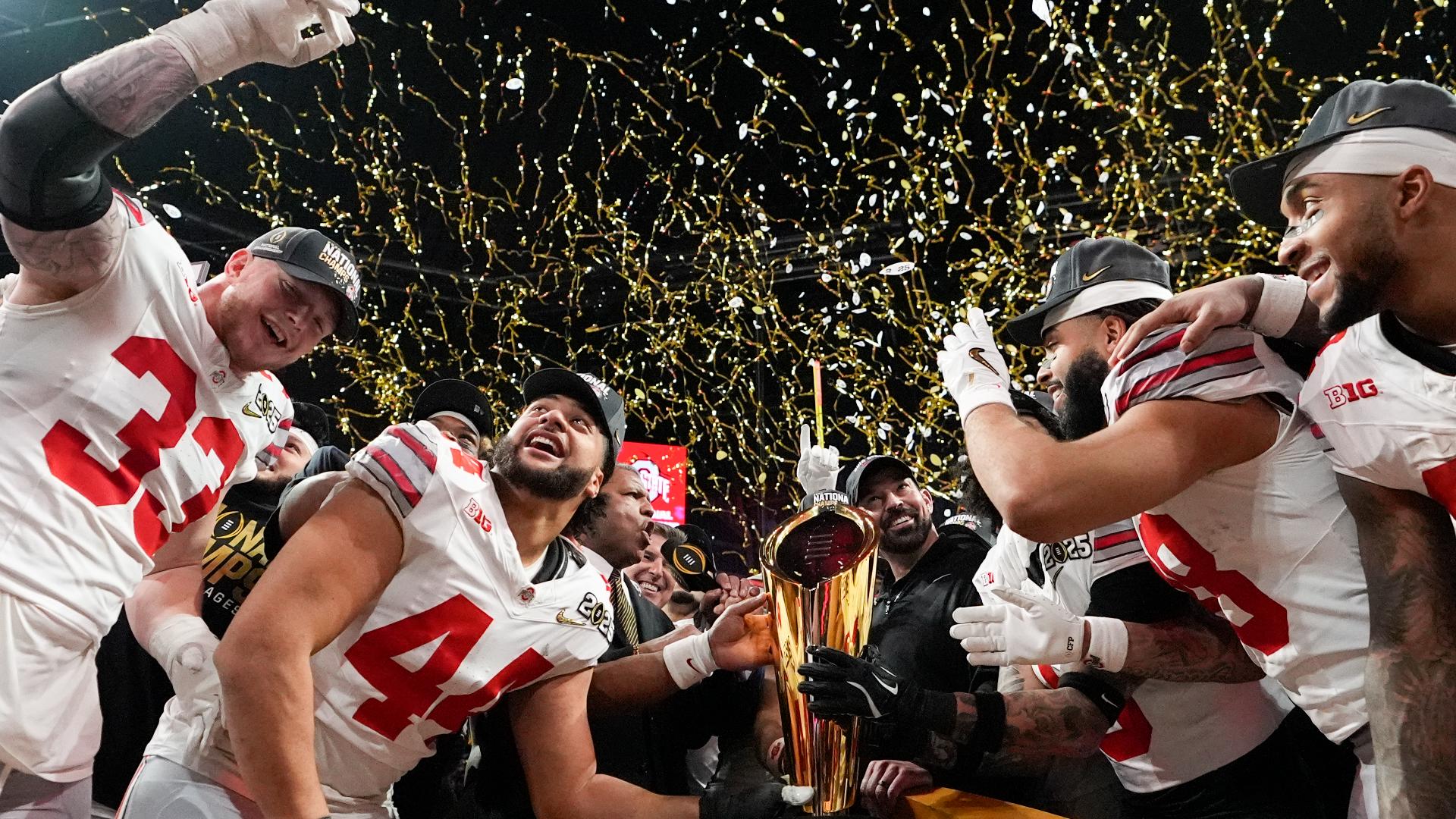
Ohio State S Beloved Star Finally Got His Legendary Moment Vs Texas In . Ohio State Defeats Texas Advances To National Game GettyImages 2193344175 . Ohio State Football CFP Postgame Celebration Photos In Win Over Texas 77614816007 Osu 24 Cotton Ac 062.JPG. Ohio State Football Vs Texas Highlights Buckeyes Win With Defense 85910397007 Ohio State Texas Gameday Ac 077.JPG. Ohio State Vs Texas Picks Predictions Odds For CFP Semifinal 77392074007 Usatsi 25097522

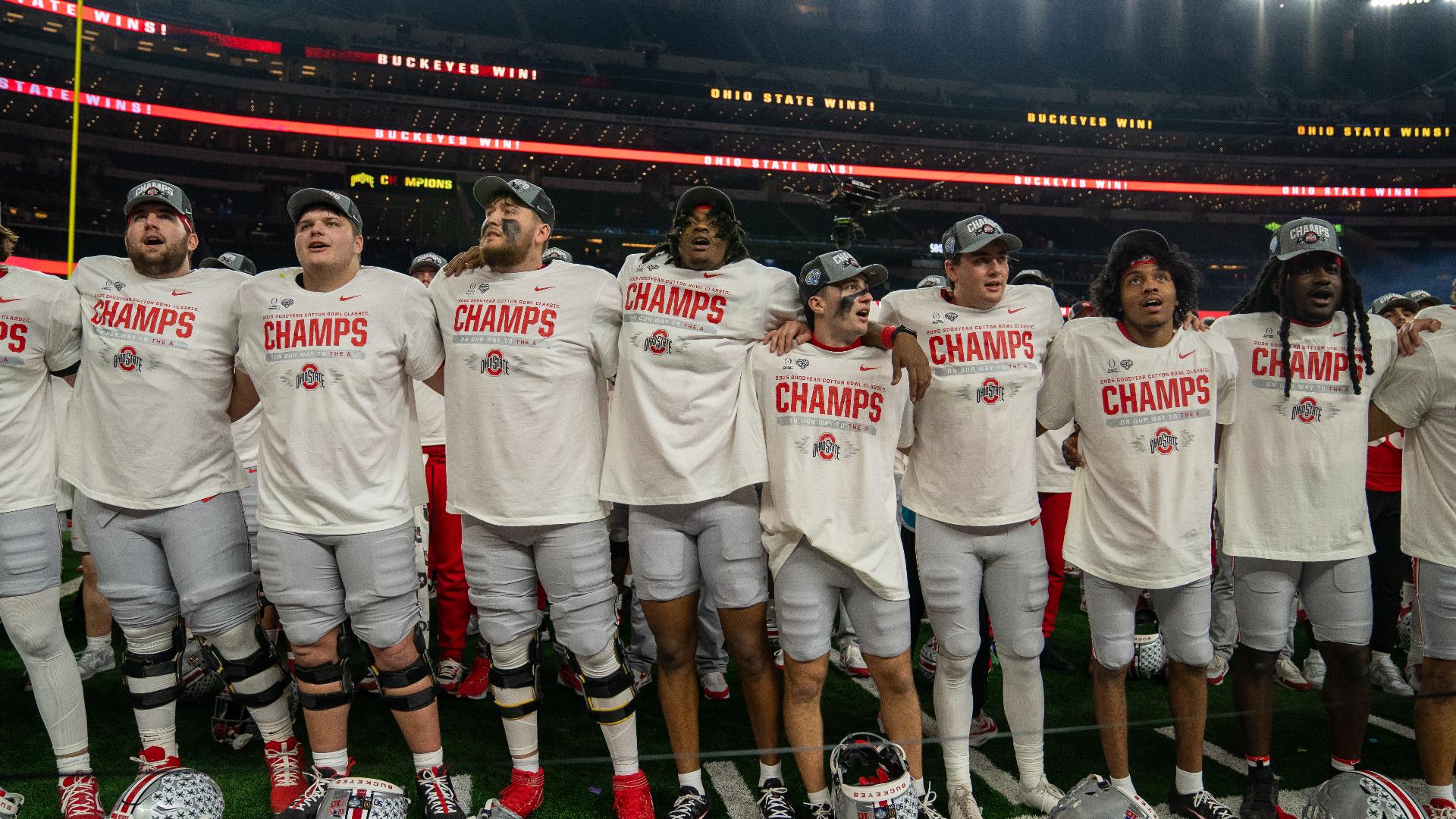


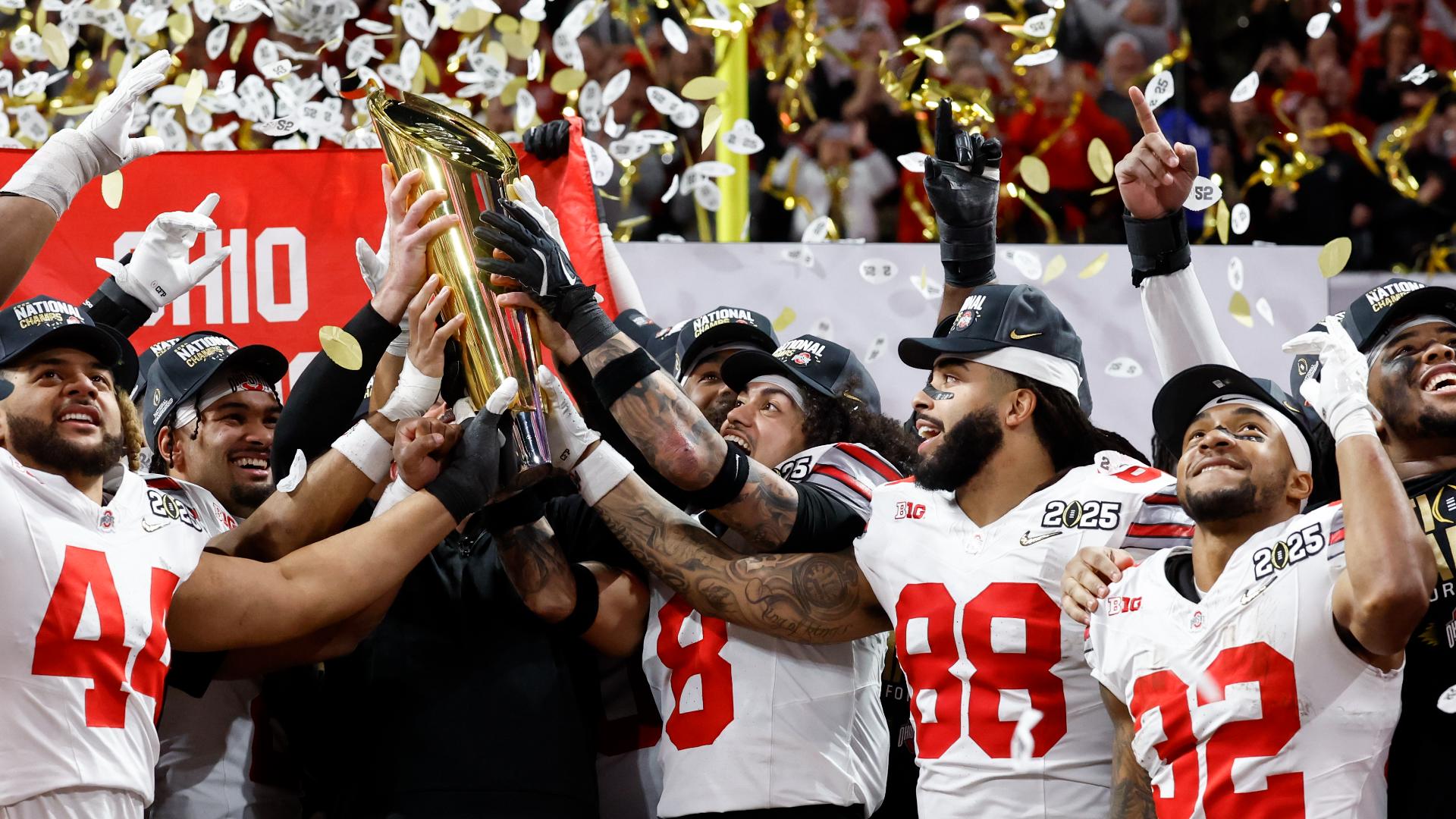
CFP Semifinal Ohio State Buckeyes Vs Texas Longhorns Full Game . Texas Vs Ohio State Final Score Recap And More Wfaa Com Fff48ac3 27aa 4fa1 9a89 1920x1080 . Ohio State Beats Texas Advances To CFP National Game 1440x960 . Ohio State Football S Win Over Texas Ends Long Exhausting . Who Won Texas Vs Ohio State Showdown E113ad20 50a2 47e3 A779 1920x1080


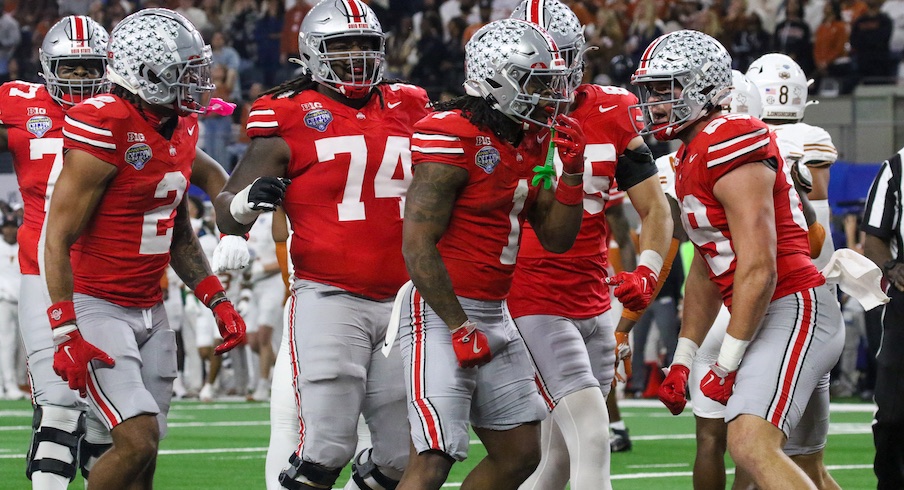
Ohio State Football 2026 Schedule Opponents Dates 87979612007 Ohio State Miami Cotton Bowl 88.JPG. Ohio State Football S Win Over Texas Ends Long Exhausting . Ohio State Vs Notre Dame Highlgihts How Buckeyes Won National Title . Big Ten And SEC Are Prepared To Push For Changes To College Football CFP National Football 03111 . Jack Sawyer Who Led The Return Of Ohio State S Seniors Gets Full 152652 H



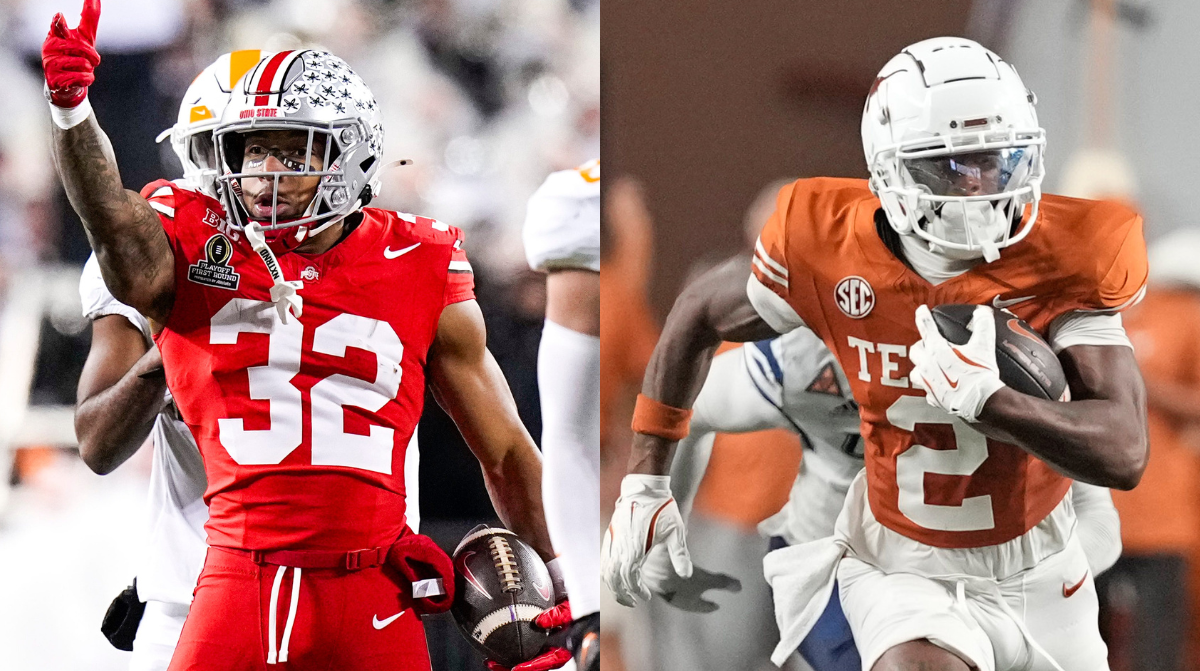
Who Won Texas Vs Ohio State Showdown 1100x734 . Millions Could Miss Texas Football Vs Ohio State Due To YouTube TV Ohio State WR Jeremiah Smith 1 . Go Be Great Ohio State Buckeyes Fans Excited For Caleb Downs USATSI 27654225 168400517 Lowres . Who Won Texas Vs Ohio State Showdown Texas Vs Ohio State . Texas Vs Ohio State 5 Things To Know About The Buckeyes 77475879007 Usatsi 25097649
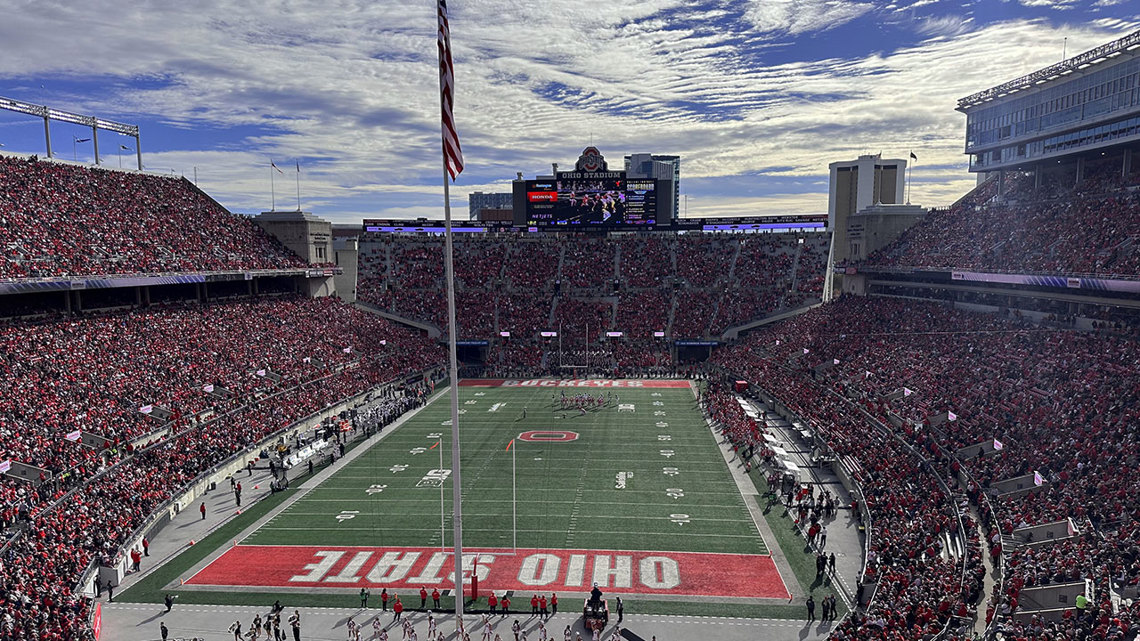

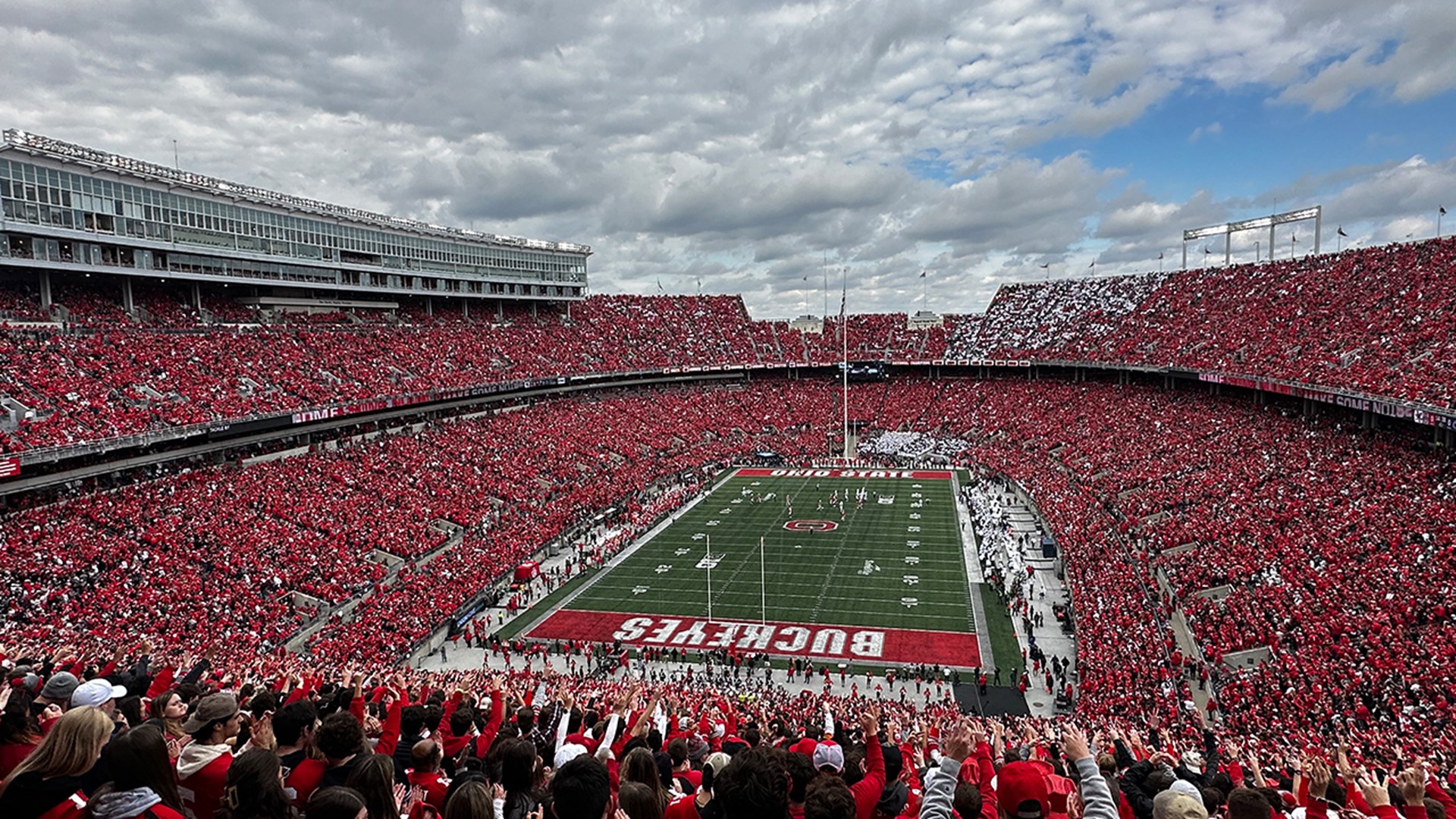
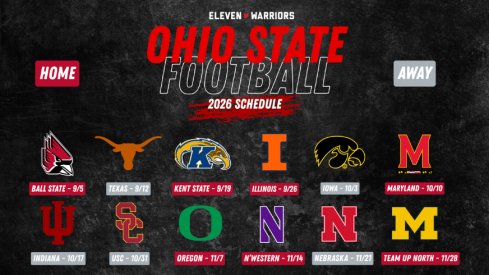
Way Too Early Look At Who Will Make The College Football Playoff 10tv Com Aa084c5e 4d63 44a0 9d0a 1920x1080 . Ohio State Buckeyes Vs Texas Longhorns Game Predictions Athlon Sports Ohio State Vs Texas . Ohio State Releases 2026 Football Schedule 10tv Com D8a3c50d 66fa 4e41 901f 1140x641 . Ohio State Vs Texas Predictions Pick Odds Spread For CFP Cotton Ohio State Vs Texas Predictions Pick Odds Spread For CFP Cotton Bowl Classic 2025 . 2024 Ohio State Football Spring Game Ticket Info Game Time 10tv Com C1837e31 F221 4af5 8321 1920x1080
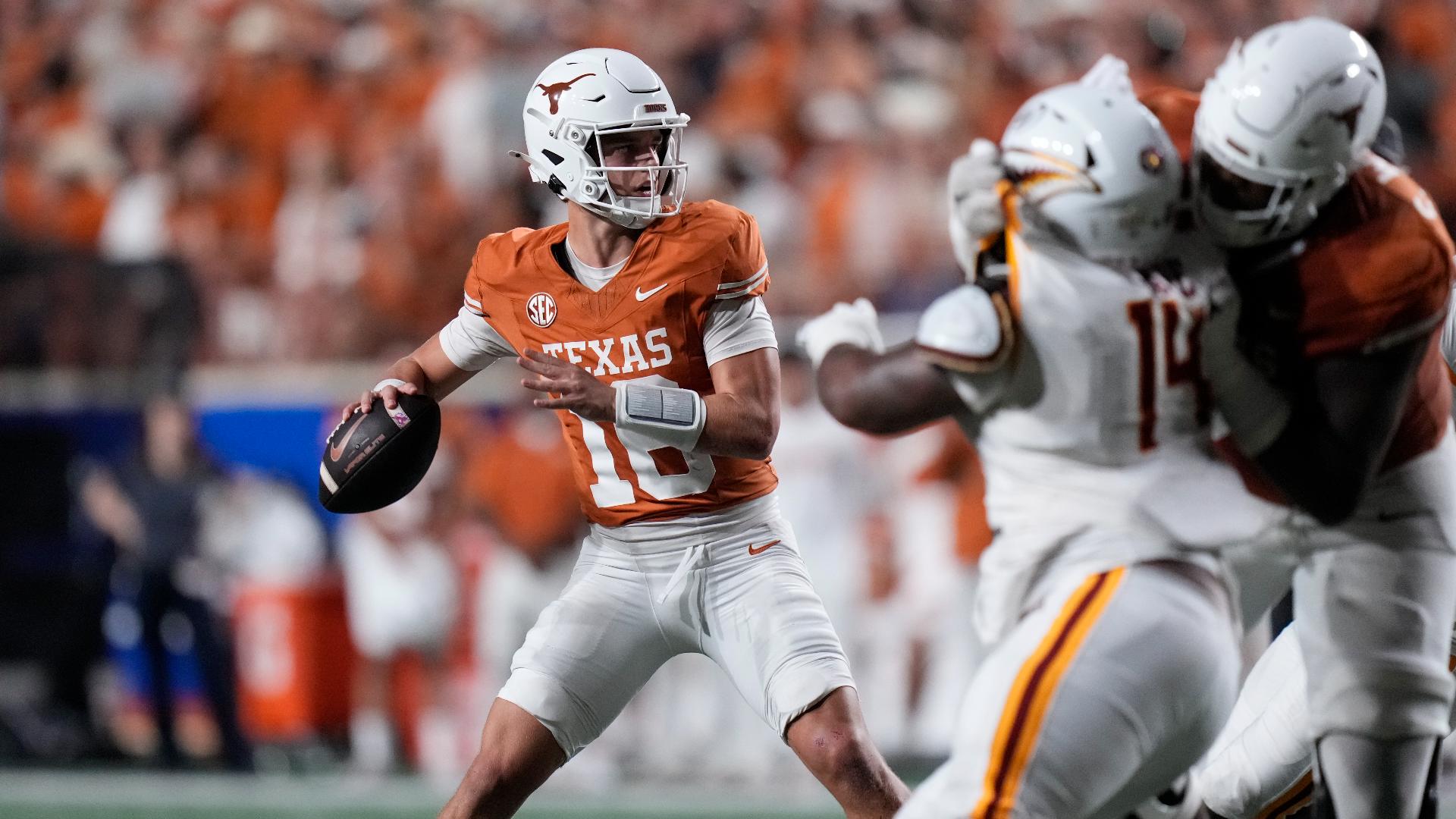

Ohio State Georgia Texas A M Headline Texas 2025 Football Schedule Fe0d6559 782d 4b55 Ab20 1920x1080 . Ohio State S Full 2026 Schedule Com 161354 H . Ohio State S Beloved Star Finally Got His Legendary Moment Vs Texas In . 2025 Ohio State Football Schedule Big Ten Announces Conference E2dae88c 1509 4f45 8757 1920x1080 . Ohio State Hold Off Notre Dame Comeback To Win First National Skysports Jeremiah Smith Ohio State 6805998