Ever wondered how much YouTube actually pays gaming channels? It's a question many dedicated gamers ask, especially those balancing their passion with jobs and families. In 2026, the landscape of YouTube monetization for gaming content creators is more dynamic than ever, extending far beyond simple ad revenue. This comprehensive guide will break down the intricate factors influencing how much gaming channels earn, from subscriber count and view velocity to the crucial role of audience demographics and diverse income streams. We'll explore the average RPM and CPM for gaming content, discuss the viability of starting a new gaming channel today, and highlight trending niches that offer better earning potential. Whether you're a seasoned gamer dreaming of turning your hobby into a side hustle or just curious about the economics of online gaming, this article provides practical, up-to-date insights on navigating the world of YouTube gaming income. Discover how successful creators optimize their channels, balance content creation with real life, and overcome common monetization challenges to build a sustainable, rewarding presence.
Q: How much money do gaming YouTubers make per view?
A: YouTube gaming channels do not get paid per individual view; rather, they earn revenue based on RPM (Revenue Per Mille, or per 1,000 monetized views). For gaming content, this typically ranges from $1 to $5 per 1,000 views, heavily depending on factors like audience location, engagement, and the specific niche of the content.
Q: What's the average income for a small gaming channel on YouTube?
A: A small gaming channel, typically under 100,000 subscribers, might earn anywhere from a few dollars to a few hundred dollars per month from AdSense, if they consistently get views in the tens of thousands. However, many small channels significantly boost income through sponsorships, affiliate marketing, and direct fan support.
Q: Can you live off YouTube gaming income?
A: Yes, it is possible to live off YouTube gaming income, but it requires substantial dedication, a large and engaged audience, and successful diversification of revenue streams beyond just AdSense. Most creators who achieve this combine ad revenue with sponsorships, merchandise, and fan contributions, often taking years of consistent effort.
Q: How do famous gaming YouTubers make money besides ads?
A: Famous gaming YouTubers primarily make money beyond ads through high-value brand sponsorships and integrations, selling their own merchandise lines, utilizing platform-specific features like YouTube Channel Memberships and Super Chats, and engaging in affiliate marketing. Many also stream on platforms like Twitch, adding another major income source.
Q: What's the minimum requirement to get paid by YouTube for gaming?
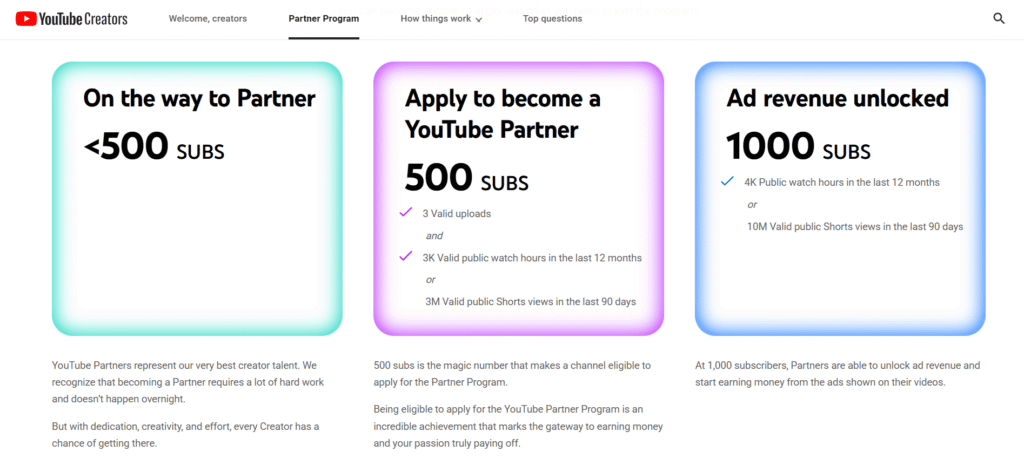
A: To get paid by YouTube for gaming content through the YouTube Partner Program, you need a minimum of 1,000 subscribers and either 4,000 valid public watch hours in the past 12 months or 10 million valid public Shorts views in the past 90 days. Once these are met, you can apply for monetization via AdSense.
Q: What is the typical RPM for gaming content creators on YouTube?
A: The average RPM (Revenue Per Mille or thousand views) for gaming content on YouTube typically ranges from $1 to $5, but this can fluctuate wildly based on audience demographics, ad formats, and viewer location. Channels targeting US audiences with specific high-value gaming niches often see higher rates.
Q: How do gaming channels actually get paid by YouTube?
A: Gaming channels primarily get paid through Google AdSense, which delivers ads on their videos. Once a channel meets the YouTube Partner Program criteria (1,000 subscribers and 4,000 valid public watch hours or 10 million Shorts views), they can apply to monetize, and earnings are then deposited monthly via AdSense, typically when the balance reaches $100.
Q: Is it true that smaller gaming channels can still make decent money?
A: Yes, absolutely! While big numbers grab headlines, smaller gaming channels can earn respectable income by focusing on strong community engagement, leveraging alternative revenue streams like Patreon, merchandise, and affiliate marketing, and catering to highly dedicated niche audiences. Quality over pure quantity often wins for sustained earnings.
Q: What role does audience demographic play in how much a gaming channel earns?
A: Audience demographics are crucial because advertisers pay more to reach certain groups. Channels with an audience primarily from tier-1 countries (like the US, Canada, UK) and specific age ranges (e.g., 25-54, often with higher disposable income) typically command higher CPMs (Cost Per Mille) and thus generate more ad revenue for the creator.
Q: Beyond ads, what are the most effective ways for gaming channels to boost their income?
A: The most effective ways to boost income beyond ads include channel memberships, Super Chats and Super Stickers during live streams, merchandise sales, direct sponsorships from game developers or hardware brands, affiliate marketing for gaming products, and platform-specific creator funds. Diversifying revenue is key for stability and growth.
Q: How long does it typically take for a new gaming channel to start seeing significant paychecks?
A: There's no fixed timeline, but it generally takes a significant amount of consistent effort and time—often 1-3 years—for a new gaming channel to grow enough to generate substantial income. Growth depends on content quality, niche selection, consistency, SEO, and community building, with early paychecks often modest.
Q: Do certain types of gaming content pay better than others on YouTube?
A: Yes, certain types of gaming content can yield higher pay. Highly engaging, instructional content like tutorials, detailed reviews, or niche strategy guides often attracts a dedicated audience and higher ad rates. Content around trending new releases or competitive esports also tends to perform well, as does long-form content that keeps viewers engaged longer.
For many of us, gaming isn't just a hobby; it's a vital escape, a way to connect with friends, or a path to unwinding after a long day of work and family responsibilities. We pour hours into mastering new titles, exploring vast worlds, and celebrating epic victories. But what if that passion could also translate into a little extra income, or even a full-time gig? The dream of turning gaming into a paycheck often leads to one burning question: how much does YouTube pay gaming channels?
It's a complex puzzle, far from a simple dollar-per-view calculation. In 2026, the YouTube landscape is a bustling ecosystem, and for the average gamer juggling life's demands, understanding its financial intricacies is key. We're not just talking about ad revenue; we're diving into the multifaceted world of sponsorships, merchandise, memberships, and even direct fan support. Whether you're a casual player eyeing a new GPU or someone seriously considering a pivot into content creation, knowing the real numbers and strategies can make all the difference. We'll cut through the hype to give you the practical, actionable insights you need to understand the true earning potential of a gaming channel on YouTube.
H2: How Much Does YouTube Actually Pay Gaming Channels?
The direct answer to "how much does YouTube pay gaming channels" is that it varies dramatically, from a few dollars to millions annually. YouTube itself doesn't pay a fixed rate per view; instead, creators earn money from ads displayed on their videos through the Google AdSense program. This revenue is calculated based on metrics like CPM (Cost Per Mille, or cost per thousand impressions for advertisers) and RPM (Revenue Per Mille, or what creators actually earn per thousand monetized views after YouTube takes its cut, typically 45%). For gaming content, the average RPM can range from approximately $1 to $5, but this is a broad average and highly dependent on numerous factors. For instance, a channel with 100,000 monetized views might earn anywhere from $100 to $500 from AdSense alone. This figure is just the starting point; most successful gaming channels generate the majority of their income from other sources.
H2: What Factors Determine How Much a Gaming Channel Earns?
Several critical factors influence a gaming channel's earning potential. Understanding these can help you strategize for growth:
- Audience Demographics and Location: Advertisers pay more to target viewers in specific regions (like the US, Canada, UK) and age groups (e.g., 25-54) with higher disposable incomes. If your audience is primarily from these "Tier 1" countries, your CPM and RPM will likely be higher.
- Content Niche and Watch Time: Engaging, long-form content in specific niches (e.g., complex strategy guides, deep dives into new hardware, or competitive esports analysis) often commands higher ad rates. Videos that keep viewers watching for longer periods also signal higher engagement to advertisers and YouTube's algorithm.
- Ad Formats and Placement: The type of ads shown (skippable vs. non-skippable, bumper ads) and their placement within your videos affect revenue. Longer videos allow for more ad breaks, potentially increasing earnings, though balance is key to avoid viewer fatigue.
- Viewer Engagement: Likes, comments, shares, and consistent return viewers all tell YouTube that your content is valuable, which can lead to better discoverability and potentially more views, and thus more ad revenue.
- Channel Size and Consistency: While not directly a payment factor, a larger, consistently growing channel naturally attracts more views and opportunities for sponsorships and other monetization methods. Regular uploads keep your audience engaged and coming back.
H2: Beyond AdSense: What are the Main Revenue Streams for Gaming YouTubers?
Savvy gaming creators know that AdSense is just one piece of the pie. To truly succeed and ensure a stable income, diversification is essential. Here are the primary additional revenue streams:
1. Brand Sponsorships and Integrations: This is often the most lucrative source for established channels. Game developers, hardware manufacturers, peripheral brands, and even non-endemic brands (food, VPNs) pay creators to feature their products or services. This could be a dedicated video, an in-video mention, or a sponsored live stream. Rates vary wildly based on audience size, engagement, and niche.
2. Merchandise Sales: Many popular gaming channels sell their own branded t-shirts, hoodies, hats, mugs, and other items. Platforms like Teespring or integrated YouTube merch shelves make this accessible. A loyal fanbase is crucial for successful merch sales.
3. Channel Memberships and Fan Funding: YouTube allows viewers to pay a monthly fee for exclusive perks, like custom emojis, badges, and members-only content. Platforms like Patreon also offer a similar model, allowing fans to directly support creators with recurring payments in exchange for exclusive access or content.
4. Affiliate Marketing: Creators can earn a commission by promoting products (e.g., gaming PCs, peripherals, games) through unique affiliate links. When a viewer clicks the link and makes a purchase, the creator gets a percentage of the sale. Amazon Associates and various game store affiliate programs are common.
5. Super Chat and Super Stickers: During live streams and Premieres, viewers can pay to have their comments highlighted (Super Chat) or send animated images (Super Stickers), which is a direct form of fan-based income.
6. YouTube Shorts Fund and Creator Funds: For short-form content, the YouTube Shorts Fund can provide bonuses to creators producing popular Shorts. Other platforms or specific game publishers sometimes offer creator funds or programs to support content related to their games.
H2: How Many Subscribers and Views Do You Need to Make Money Gaming on YouTube?
To even qualify for AdSense revenue through the YouTube Partner Program (YPP), you need to meet minimum requirements:
- 1,000 subscribers
- 4,000 valid public watch hours in the past 12 months OR 10 million valid public Shorts views in the past 90 days.
Once you meet these, you can apply. However, to make significant money, you'll need substantially more. A channel typically starts seeing noticeable AdSense income (enough to cover a coffee, perhaps) at around 50,000 to 100,000 views per month. To make a full-time income, most gaming channels need to be generating millions of views monthly across their content, combined with robust diversified revenue streams. It's not just about raw numbers; it's about engagement and consistency that sustains those numbers.
H2: What are the Average RPM and CPM for Gaming Content on YouTube?
As mentioned, the RPM (Revenue Per Mille - what you earn per 1000 monetized views) for gaming content can generally range from $1 to $5. CPM (Cost Per Mille - what advertisers pay per 1000 impressions) is usually higher, as YouTube takes its cut. For example, if advertisers pay a $7 CPM, your RPM might be around $3.85 (after YouTube's 45% cut). These figures are significantly impacted by:
- Seasonality: Ad rates are often higher during Q4 (October-December) due to holiday spending.
- Content Type: A review of a high-end gaming PC might attract higher-paying ads than a casual let's play of an indie game.
- Audience Engagement: High click-through rates on ads, longer watch times, and consistent viewership can lead to higher perceived value for advertisers.
Many gaming creators, especially those targeting a younger audience, might see RPMs on the lower end, while channels focused on older, tech-savvy audiences might hit the higher end.
H2: Is It Still Possible to Start a Gaming Channel and Make Decent Money in 2026?
Absolutely, it is still possible! While the space is competitive, the gaming industry is continually growing. In the US, for example, 87% of gamers play regularly, with many dedicating 10+ hours a week. Mobile gaming continues to dominate, and social gaming trends are stronger than ever. New games, hardware, and trends emerge constantly, creating fresh opportunities.
Success in 2026 means focusing on:
- Niche Specialization: Instead of general gaming, focus on a specific game, genre, platform (e.g., cozy games on Switch, competitive esports strategy, VR experiments).
- Unique Perspective: What makes your content different? Your personality, editing style, deep game knowledge, or humor can set you apart.
- Community Building: Engaging with your viewers in comments, Discord, and live streams fosters loyalty, which is vital for sustained growth and direct monetization.
- High-Quality Content: Even on a budget, aim for good audio, clear video, and engaging editing. Gamers value clear information and enjoyable experiences.
H2: How Do Successful Gaming Channels Balance Content Creation with Life?
This is a major pain point for the average gamer who balances gaming with jobs, families, and life. Successful creators often share strategies:
- Batch Content Creation: Record multiple videos or segments in one extended session.
- Scheduled Workflows: Dedicate specific hours each week to planning, recording, editing, and promotion. Treat it like a part-time job.
- Outsourcing: As income grows, many creators hire editors, thumbnail designers, or social media managers to free up their time.
- Time Management Tools: Use calendars and project management apps to stay organized.
- Family/Life Integration: Involve family in the process occasionally, or set clear boundaries for gaming/creation time to avoid burnout. Remember, gaming is often a form of relaxation, and forcing it to be a pure grind can remove the joy.
H2: What Niche Gaming Content is Currently Trending for Earning Potential?
Staying current with trends is vital. For 2026, consider these popular and growing niches:
- Cozy Gaming and Simulation: Games like Animal Crossing, Stardew Valley, or new life sims attract a wide, engaged audience looking for relaxation.
- Retro Gaming & Restoration: A nostalgic audience loves content revisiting classic titles, modding old consoles, or deep dives into gaming history.
- Budget Gaming PC Builds & Optimization: Addressing the pain point of hardware upgrades on a budget resonates with many gamers.
- "Free-to-Play" Deep Dives: Many popular games are free, but understanding monetization and meta-strategies offers huge value.
- VR Gaming Experiences: With VR becoming more accessible, content exploring new titles, setup guides, and immersive experiences is gaining traction.
- Accessibility in Gaming: Content focused on inclusive gaming, adaptive controllers, and settings for different needs serves a growing, underserved audience.
- Short-Form Guides & Tips (Shorts): Quick, digestible tips and tricks for popular games perform exceptionally well on YouTube Shorts.
H2: What are Common Mistakes Gaming Creators Make That Impact Their Pay?
Even with great content, missteps can hinder earnings:
- Ignoring SEO: Not using relevant keywords in titles, descriptions, and tags means your videos won't be found.
- Inconsistent Uploads: Sporadic uploads hurt algorithm visibility and audience retention.
- Poor Audio/Video Quality: Viewers will click away if your content is hard to watch or hear, even if the gameplay is amazing.
- Not Diversifying Income: Relying solely on AdSense is risky and limits earning potential.
- Lack of Engagement: Failing to interact with your community means they're less likely to become loyal fans or spend on memberships/merch.
- Chasing Trends Blindly: While trends are good, don't sacrifice your unique voice or niche by jumping on every bandwagon. Authenticity matters.
- Burnout: Overworking leads to lower quality, less enjoyable content, and eventual channel abandonment.
H2: How Can I Optimize My Gaming Channel for Maximum Earnings?
To truly maximize your earnings, think strategically:
- Focus on High-Retention Content: Create videos that keep viewers engaged for longer. This includes tutorials, story breakdowns, challenge runs, or deep dives into game mechanics.
- Optimize for Search and Discovery: Use TubeBuddy or VidIQ to find relevant keywords. Craft compelling thumbnails and titles that make people click.
- Actively Build Community: Engage in comments, run polls, host Q&As, and create a Discord server. Loyal communities are your biggest asset.
- Diversify Your Monetization: Don't wait for big AdSense checks. Start with affiliate links, explore channel memberships, and build relationships for potential sponsorships early on.
- Analyze Your Analytics: Understand where your viewers come from, what they watch, and when they drop off. Use this data to refine your strategy.
- Reinvest in Your Channel: Use early earnings to upgrade equipment (mic, camera, editing software) or outsource tasks to improve quality and efficiency.
- Stay Consistent and Patient: Building a successful channel takes time and effort. Celebrate small wins and learn from every video.
Conclusion
The dream of making money from your gaming passion on YouTube is more accessible than ever in 2026, but it's far from a get-rich-quick scheme. "How much does YouTube pay gaming channels" ultimately depends on your dedication to building a loyal community, diversifying your income streams beyond basic ad revenue, and consistently delivering high-quality, engaging content that resonates with your target audience. It's about smart strategy, hard work, and maintaining the joy of gaming amidst the grind of creation. For the average gamer balancing work and life, remember that even a modest side income from your hobby can be incredibly rewarding. Focus on solving problems, entertaining, and connecting with fellow gamers, and the financial rewards will follow.
What's your biggest gaming challenge, either as a player or a potential creator? Comment below!
FAQ Section
What is a good RPM for a gaming YouTube channel?
A good RPM for a gaming YouTube channel typically falls between $2 and $4, though top-tier channels targeting high-value demographics can achieve $5 or more. Factors like audience location, content niche, and ad format significantly influence this rate.
Can you make money on YouTube with only 1,000 subscribers?
Yes, you can start making money with 1,000 subscribers, as this meets the minimum requirement for the YouTube Partner Program. However, earnings will likely be very modest initially, with most significant income coming from growing your audience and diversifying revenue streams.
How long does it take for a gaming channel to get monetized?
The time it takes to get monetized varies greatly, but most gaming channels take 6 months to 2 years to reach the 1,000 subscriber and 4,000 watch hour (or 10 million Shorts views) threshold. Consistency, content quality, and niche selection are key accelerators.
Do live streams earn more money on gaming channels?
Live streams can significantly boost earnings for gaming channels, not just through AdSense, but more notably via Super Chat, Super Stickers, and channel memberships where viewers directly support creators in real-time. Engagement during live sessions often translates to higher overall income.
What are the biggest challenges for new gaming YouTubers in 2026?
The biggest challenges for new gaming YouTubers in 2026 include standing out in a crowded market, maintaining consistent high-quality content amidst personal commitments, effectively optimizing for search and discovery, and diversifying revenue streams early on to build financial stability.
Is it better to focus on one game or multiple games for a gaming channel?
For new gaming channels, focusing on one or two specific games can be highly effective for building an initial audience and establishing authority within a niche. As the channel grows, diversifying into related games or genres can help expand viewership without alienating existing fans.
YouTube gaming income varies significantly based on views, audience, and monetization strategies. AdSense is a core revenue stream, but sponsorships, merchandise, and channel memberships are crucial for substantial earnings. RPM and CPM for gaming content are influenced by viewer demographics and content niche. Consistent, high-quality content and community engagement are key to growth and higher paychecks. Diversifying income and adapting to trending games are essential for long-term success.
35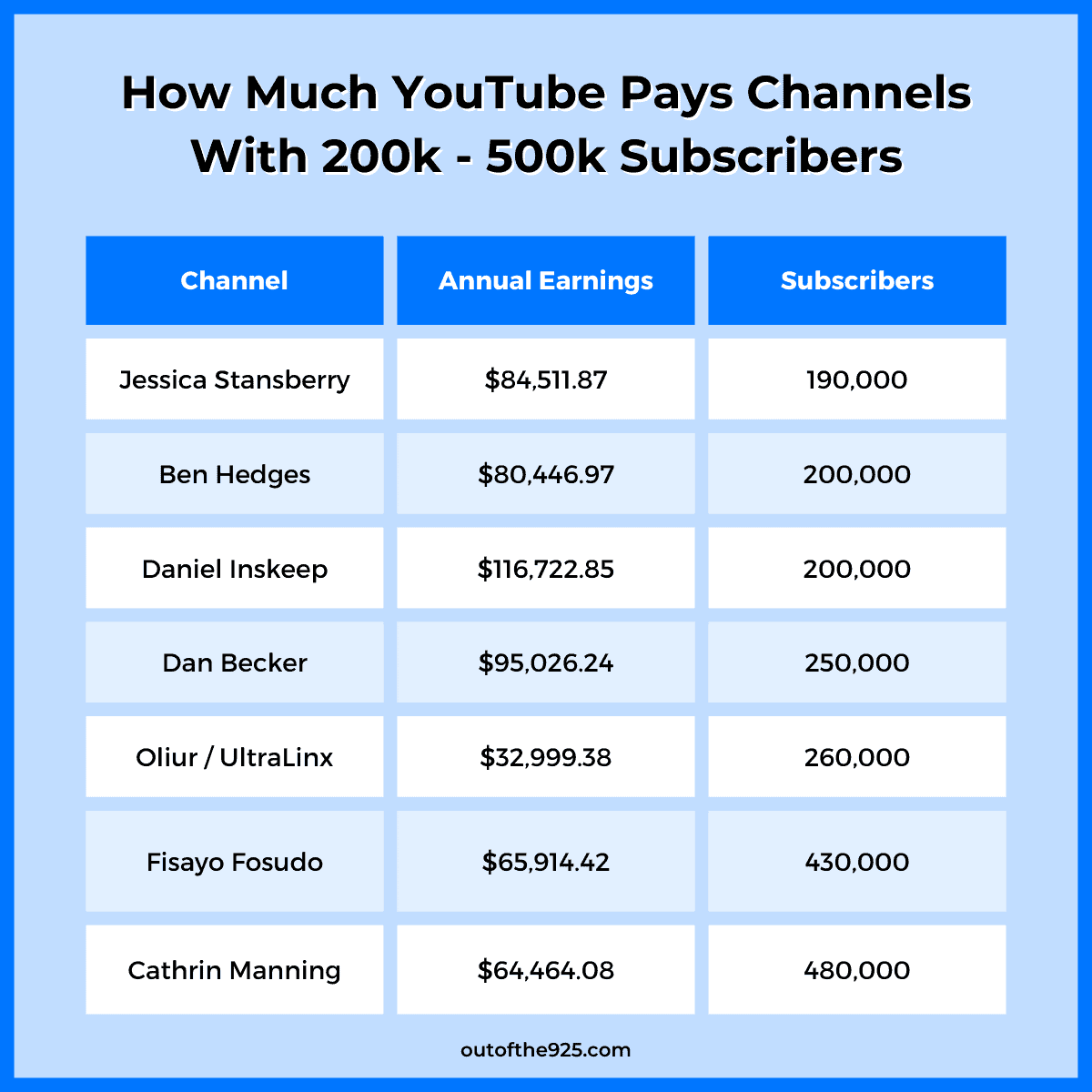

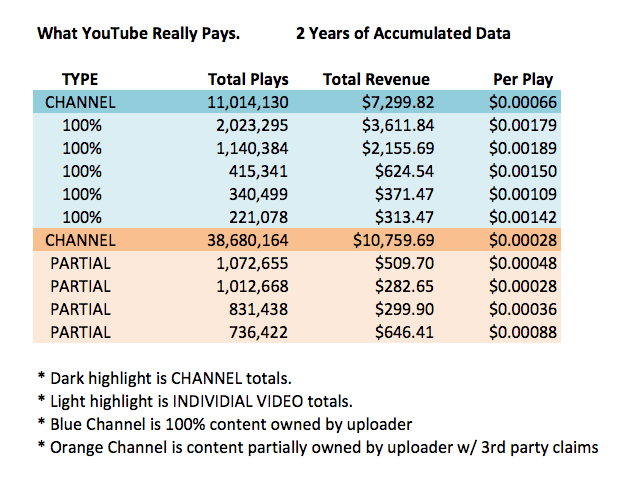

How Many Views On YouTube You Need To Make Money How Much YouTube Pays Channels With 200k 500k Subscribers 1 . YouTube Earnings Per View 2026 How Much You Can Earn How Much YouTube Pays Per View In 2026 Monthly Income Update Digitalposh. How Much Does YouTube Pay Per View Cost Zeru How Much Does YouTube Pay Per View Cost 7611 . Just How Much Does YouTube Pay V1 . How Much Does YouTube Pay Per View In 2026 Image 10 1024x465


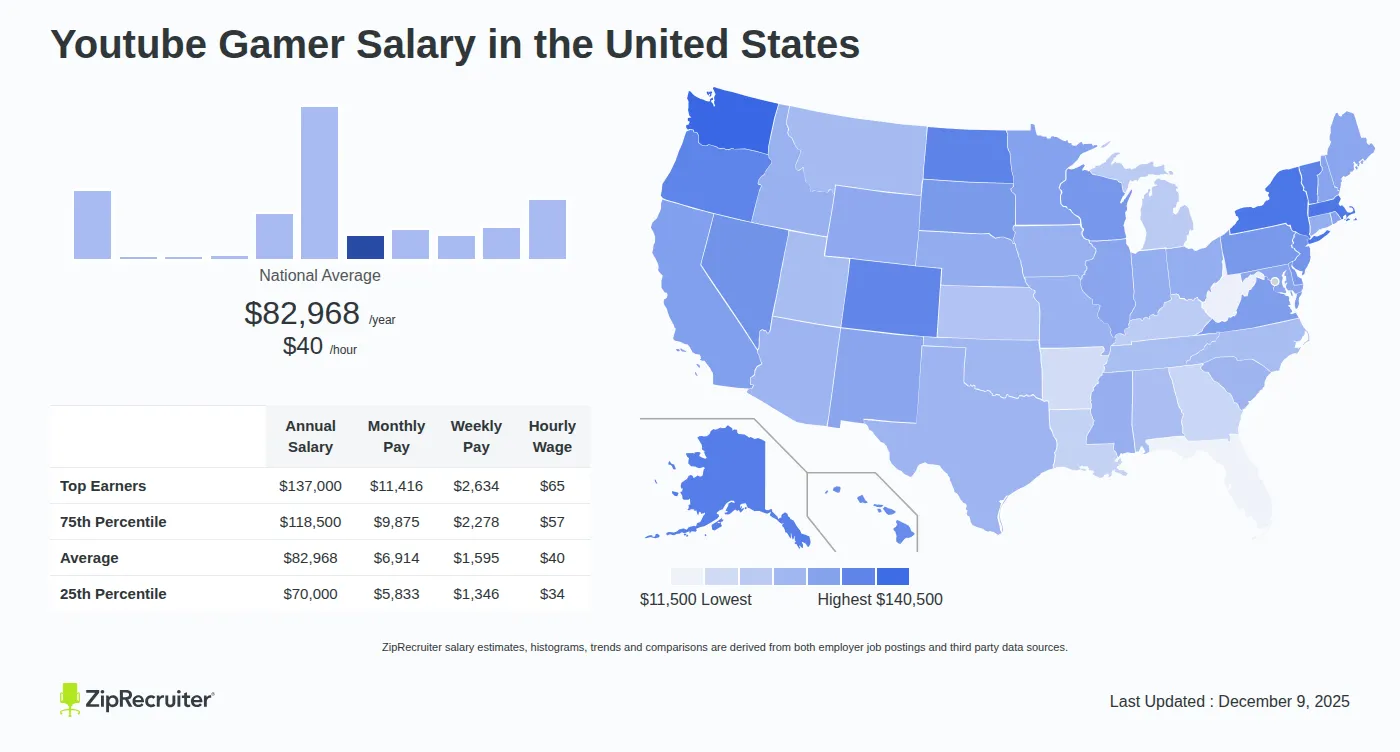
YouTube Music Pay Per Stream In 2026 LabelGrid Choosing A Music Aggregator For Your Brand Artist Or Record Label 11 1024x538 .webp. How Much Does YouTube Pay Per View How Much Does Youtube Pay Per View . How Much Does YouTube Pay 2026 Updated Guide How Much Does Youtube Pay . Salary Youtube Gamer July 2026 United States Youtube Gamer Salary.webp. How Much Does YouTube Pay For 1 Million Views 2026 Opengraph Image
.webp)
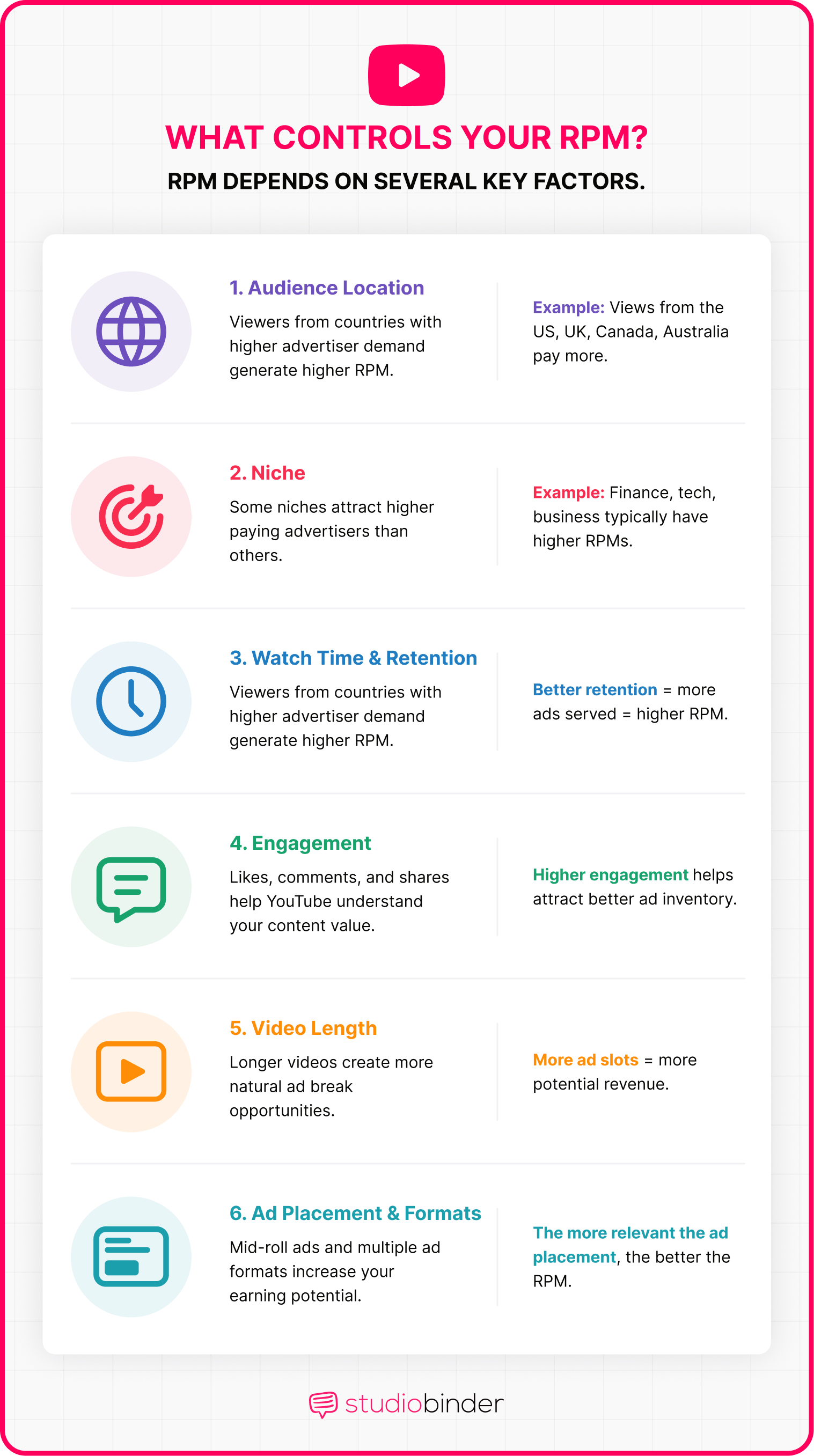
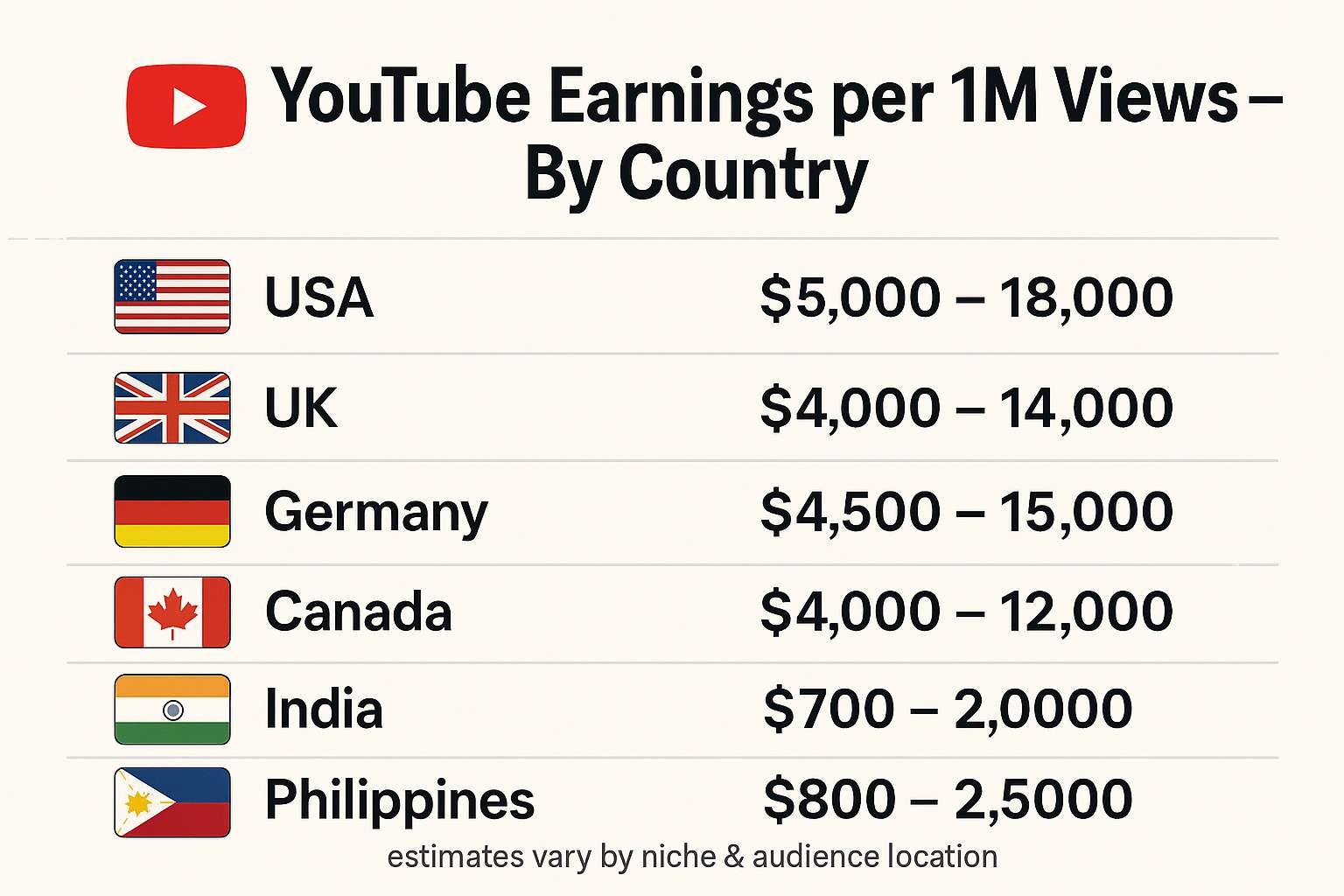
How Much Does YouTube Pay Creators In 2025. How Much Does YouTube Pay Per 1000 Views 2026 Og Image . How Much Does 1 Million Views On YouTube Pay In 2026 How Much Does 1 Million Views On YouTube Pay What Controls Your RPM . How Much Does YouTube Pay Per View 2026 Rates Opengraph Image X8nqxr. How Much Money Does YouTube Pay For 1 Million Views 2026 Youtube Earnings Per 1m Views


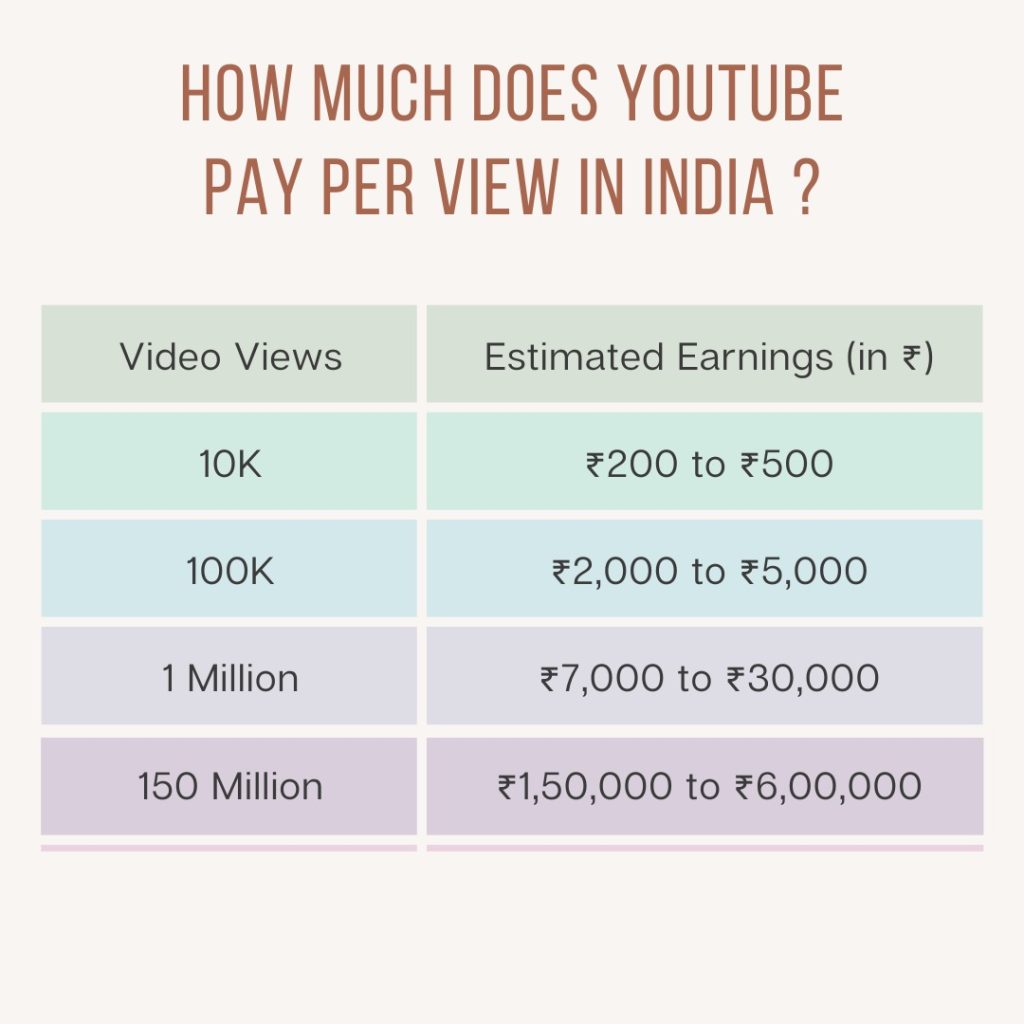


How To Run A Successful Giveaway On YouTube How Much Does Youtube Pay For 1 Million Views . How Does Youtube Pay How Much Money Do Youtubers Make How Much . How Much Does YouTube Pay Per View The Tech Edvocate How Much Does Youtube Pay Per View In India 1024x1024 . Top YouTube Gaming Channels Streamers In January 2026 MLBB . Pin On Sosyal Medya Youtube Income Chart How To Get Views On Youtube


YouTubers Make 1 15 Per 1 000 Views Here S Why. How Much Do Youtube Pay You For Views Nda Or Ug How Much Does Youtube Pay Channels Per View . YouTube Pay Per 1 000 Views 1 To 29 By Niche 2026 2752x1536 . How Much Does YouTube Pay For 100k Views YouTube Earn . How Much Does YouTube Pay Per View In 2026 How Much Does YouTube Pay


How Much Will YouTube Pay Per View Be In 2026 The Real Figures Freepik How Much Will Youtube Pay Per View Be In 2025 Img1 39698webp. How Much Does YouTube Pay Per View In 2026 1272x717 . YouTube Growth Secrets Strategies Of Large Channels Content Creators . How Much Does YouTube Pay Per View A Complete Guide How Much Does YouTube Pay Per View . How Much Does YouTube Pay Per View 2026 Earnings Guide Youtube Pay Per View Featured 2026


This Is How Much Youtube Pays Me For My Gaming Channel Not Clickbait . Salary Youtube Salary Mania Info . How Much Does YouTube Pay Per View In 2025 Ultimate Guide ChatGPT Image Jul 29 2025 12 38 26 PM 300x200 . How Much Does YouTube Pay Per View Real Creator Revenue Revealed How Much Does YouTube Pay Per View Real Creator Revenue Revealed . How Much Does YouTube Pay For 1 Million Views How Much Does YouTube Pay Per View