Navigating the world of PC gaming video cards can feel overwhelming especially when you balance a busy life with your passion for gaming. Many US gamers aged around 36 often grapple with getting the best performance without breaking the bank or dedicating endless hours to research. This guide offers practical, actionable advice on choosing upgrading and optimizing your pc gaming video cards ensuring smooth gameplay and an immersive experience. We cut through the hype to provide clear information on what truly matters from understanding specifications to budget friendly options and troubleshooting common issues. Discover how to enhance your gaming setup for titles that offer relaxation fun and social connection even with limited time. Learn about current trends in mobile and PC cross play social gaming and smart hardware investments that let you stay competitive and entertained without sacrificing your other responsibilities. Our goal is to empower you with the knowledge to make confident decisions about your gaming hardware.
Related games- Is Roblox Ending The Truth About Its Status 2026
- GTA 6 Growler Guide How To Maximize Your Ride
- How Does a Gaming Monitor Have Sound A Gamers Guide
- How to Rediscover Roblox Old Theme Nostalgia Guide
- Guide To Simple Roblox Cake Design For Gamers
Who makes the best PC gaming video cards in 2026?
NVIDIA and AMD are the two primary manufacturers of PC gaming video cards in 2026. Both offer a wide range of GPUs catering to different budgets and performance needs. NVIDIA generally leads in high-end performance and features like DLSS while AMD often provides strong value and competitive performance especially in the mid-range. Intel has also entered the market with their Arc series showing promise, particularly for budget-conscious gamers.
Why are PC gaming video cards so expensive sometimes?
The cost of PC gaming video cards is influenced by several factors: advanced research and development manufacturing complexity global supply chain dynamics and strong consumer demand. Next-generation technologies like improved fabrication processes more efficient architectures and advanced features like ray tracing require significant investment. Market demand and occasional supply shortages also contribute to pricing fluctuations.
Where can I find reliable reviews for PC gaming video cards?
For reliable reviews on PC gaming video cards check out reputable tech websites and YouTube channels. Trusted sources like Gamers Nexus Hardware Unboxed TechSpot PC Gamer and Digital Foundry offer in-depth benchmarks performance comparisons and expert opinions that cut through marketing hype. Always cross-reference multiple sources to get a comprehensive understanding before making a purchase.
Is it worth buying a high-end PC gaming video card for casual gaming?
For casual gaming where you mostly play less demanding titles or older games a high-end PC gaming video card is generally overkill. A mid-range card will provide excellent performance without the premium cost. High-end cards are best suited for competitive gamers enthusiasts playing the latest AAA titles at 1440p or 4K or for professional tasks like video editing and 3D rendering.
When is the best time to buy a new PC gaming video card?
The best time to buy a new PC gaming video card is often during major sales events like Black Friday Cyber Monday or Amazon Prime Day. New generations of cards are typically released every 18-24 months so buying shortly after a new series launch can sometimes get you a current-gen card at a more reasonable price or see discounts on previous generations. Keep an eye on tech news for upcoming product announcements to gauge the market.
How to install a new PC gaming video card?
Installing a new PC gaming video card involves a few key steps. First, power down your PC and unplug it. Open your case, locate the PCIe slot, and carefully remove your old card by unlatching its retention clip and unscrewing any brackets. Gently insert the new card into the PCIe slot until it clicks, secure it with screws, and connect the necessary PCIe power cables from your PSU. Close your case, plug in, and install the latest drivers for your new card.
What is the impact of my CPU on my PC gaming video card performance?
Your CPU plays a critical role in PC gaming video card performance by feeding data to the GPU. If your CPU is too slow or outdated it can become a bottleneck meaning it cannot process game instructions fast enough to keep your powerful GPU fully utilized. This results in lower frame rates than your video card is capable of. A balanced system with a capable CPU and GPU ensures optimal performance, especially in CPU-intensive games or at lower resolutions where the CPU's workload is heavier.
Hey fellow gamers! If you are like the millions of US adults who unwind after a long day by diving into virtual worlds you know the struggle is real. You are balancing work family and life but still crave that smooth immersive gaming experience. No one wants stuttering frame rates or blurry textures when trying to relax with friends in your favorite social game or conquer a new challenge. We have all been there wondering if our current PC gaming video card is holding us back or which new one offers the best bang for our hard earned buck without requiring a second mortgage. You want to stay current enjoy the latest titles and maybe even dabble in VR without spending every spare moment researching hardware specs. This guide is built for you the passionate gamer who values performance optimization value for money and getting straight to the fun.
Did you know that 87% of US gamers play regularly often clocking over 10 hours a week? With mobile gaming dominating and cross-play becoming the norm a robust PC setup especially a powerful PC gaming video card remains central for many. But with new cards constantly launching how do you make sense of it all? From setup issues to performance bottlenecks and balancing gaming with life this article will tackle your biggest pain points offering clear actionable solutions. Let us dive in and demystify the world of PC gaming video cards helping you build or upgrade a rig that delivers the relaxation fun and skill building you deserve.
What Does a PC Gaming Video Card Actually Do For My Games?
Your PC gaming video card often called a Graphics Processing Unit or GPU is essentially the brain that renders all the visuals you see on your screen. It takes data from your game processes it and transforms it into the images frames and pixels that make up your gaming world. Without a capable video card games would either not run at all or be unplayably slow and visually poor. A powerful GPU means higher frame rates smoother animation better texture quality and more realistic lighting effects all contributing to a truly immersive experience. It is the core component responsible for how good your games look and how smoothly they play.
How Do I Know If My Current PC Gaming Video Card Needs an Upgrade?
Identifying whether your PC gaming video card is due for an upgrade is pretty straightforward. If you are experiencing low frame rates in newer games even on lower settings visual stuttering or lagging during intense action sequences or if your card struggles to run popular titles this month then it is likely time for a change. Also if you find yourself constantly reducing graphical settings just to get playable performance especially when your friends are enjoying smooth gameplay with similar setups that is a strong indicator. Older cards may also lack support for new graphics technologies like ray tracing or DLSS which can significantly improve visual fidelity and performance in supported games.
What Are the Key Specifications to Look for When Buying a New PC Gaming Video Card?
When selecting a new PC gaming video card several specifications are paramount. Look at the GPU core itself the processing unit usually made by NVIDIA or AMD. VRAM or video memory is crucial; 8GB is a good baseline for 1080p gaming with 12GB or 16GB being ideal for 1440p or 4K. The clock speed measured in MHz or GHz affects processing speed. CUDA cores for NVIDIA or Stream Processors for AMD indicate processing power. The TGP Total Graphics Power in watts gives you an idea of its power consumption and heat output. Lastly check the PCIe interface version typically PCIe 4.0 or 5.0 for modern cards to ensure compatibility with your motherboard.
How Much Should I Spend on a PC Gaming Video Card on a Budget?
Budgeting for a PC gaming video card depends heavily on your desired performance and resolution. For 1080p gaming on a budget you can find excellent options in the 200 to 400 dollar range. These cards will handle most current titles comfortably at medium to high settings. If you are aiming for 1440p gaming or want more future proofing you will likely spend between 500 and 800 dollars. Higher end cards for 4K or high refresh rate 1440p can easily exceed 1000 dollars. Remember to balance your GPU budget with other components like your CPU RAM and power supply to avoid bottlenecks. Smart shoppers watch for sales and consider slightly older generation cards for great value.
Is My Power Supply Unit (PSU) Strong Enough for a New PC Gaming Video Card?
Before buying a new PC gaming video card always check its power requirements against your existing Power Supply Unit (PSU). Most video card manufacturers list a recommended PSU wattage. A common pain point for gamers upgrading is finding their old PSU cannot handle the new cards power draw leading to system instability or crashes. Calculate your total system wattage or use an online PSU calculator to ensure your current PSU can provide enough juice plus a little extra headroom for stability. If your PSU is too old or too weak you will need to factor in the cost of a new higher wattage PSU into your upgrade budget.
What Role Do Drivers Play in PC Gaming Video Card Performance?
Drivers are absolutely critical for your PC gaming video card performance. These software programs allow your operating system and games to communicate effectively with your GPU. Outdated or corrupt drivers can lead to performance drops graphical glitches crashes and compatibility issues with new game releases. Always keep your GPU drivers updated to the latest stable version provided by NVIDIA or AMD. These updates often include performance optimizations bug fixes and support for new games. Making sure your drivers are current is one of the easiest and free ways to ensure you are getting the best performance from your video card.
How Can I Troubleshoot Common PC Gaming Video Card Issues?
Facing issues with your PC gaming video card can be frustrating but many common problems have straightforward solutions. First ensure your drivers are updated. If you are experiencing crashes try reinstalling the drivers using a clean installation option. Check your cards temperature using monitoring software; overheating can cause throttling and instability. Make sure your card is properly seated in its PCIe slot and that all power cables are securely connected. For unexplained performance drops check background applications and ensure your cards power settings are set to prefer maximum performance in the NVIDIA Control Panel or AMD Adrenalin Software. Sometimes a simple restart can also resolve minor glitches.
Can I Use My PC Gaming Video Card for More Than Just Gaming?
Absolutely! Modern PC gaming video cards are incredibly versatile. Beyond gaming they excel at tasks like video editing 3D rendering graphic design and even AI and machine learning computations. Many gamers who also work from home or have creative hobbies leverage their powerful GPUs for productivity. Content creators for platforms like Twitch or YouTube rely on their video cards for smooth streaming and quick video exports. They are also essential for virtual reality (VR) experiences providing the high frame rates and low latency needed for immersion. So your investment in a quality PC gaming video card can boost both your leisure and your work.
How Do Social Gaming Trends Impact My Video Card Needs in 2026?
Social gaming is more popular than ever from co-op adventures to shared virtual spaces and esports viewing. While many social and cozy games are not graphically intensive some popular titles like new MMOs or competitive shooters still demand solid GPU power for smooth frame rates especially if you are streaming or playing at higher resolutions. Moreover if you are using platforms like Discord for voice chat or running overlays while gaming your video card helps handle the load ensuring a seamless social experience. The rise of cross-play with consoles and mobile also means developers are often optimizing for a wider range of hardware but a good PC gaming video card ensures you get the best version of these shared experiences.
What Are the Best Practices for Maintaining My PC Gaming Video Card?
Maintaining your PC gaming video card is key to its longevity and performance. Regularly clean your PCs interior especially the GPU fans and heatsink to prevent dust buildup which can cause overheating. Ensure good airflow within your case by managing cables and possibly adding extra case fans. Keep your drivers updated as mentioned before. Monitor your cards temperatures periodically; if they are consistently high consider re-applying thermal paste. Avoid overclocking too aggressively especially if you are new to it as this can reduce the cards lifespan. Treat your GPU well and it will serve your gaming adventures for years to come.
As busy gamers we know your time is valuable. This guide aimed to provide clear direct answers to your most pressing questions about PC gaming video cards. From understanding what makes a good card to budgeting troubleshooting and even considering current social gaming trends we hope you feel more equipped to make informed decisions. A powerful and well-maintained video card is your gateway to countless hours of relaxation fun and connection in the gaming world. Do not let technical headaches stand between you and your next epic adventure.
What is your biggest gaming challenge with your current setup? Comment below!
FAQ Section
Is it okay to buy a used PC gaming video card?
Buying a used PC gaming video card can offer great value but comes with risks. Always buy from reputable sellers check for warranty status if any and inspect the card for physical damage or signs of excessive use like coil whine or fan noise. Test the card thoroughly upon receipt using benchmarks to ensure stability and performance.
How often should I upgrade my PC gaming video card?
Most gamers find a sweet spot upgrading their PC gaming video card every 2 to 4 years. This cycle typically aligns with significant performance jumps and new technology introductions, offering a noticeable improvement in gaming experience. However, if your current card still performs well for your needs, there's no urgent rush.
What is ray tracing and do I need it in my video card?
Ray tracing is an advanced rendering technique that simulates the physical behavior of light for hyper-realistic reflections shadows and global illumination. It significantly enhances visual fidelity. While not strictly necessary for gaming it adds a level of realism that many find immersive. Cards from NVIDIA's RTX series and AMD's RX 6000 series and newer support it.
Does VRAM matter for my PC gaming video card?
Yes VRAM (Video Random Access Memory) is very important. It stores graphical data that the GPU needs to access quickly. Insufficient VRAM can lead to performance bottlenecks stuttering textures and lower frame rates, especially at higher resolutions or with complex game settings. Aim for at least 8GB for 1080p, and 12GB+ for 1440p or 4K gaming in 2026.
Choosing the right PC gaming video card impacts performance significantly. Budgeting is crucial for smart upgrades. Understanding specifications like VRAM and clock speed helps make informed decisions. Proper driver installation and maintenance prevent common issues. Future proofing your build involves considering current and upcoming game requirements.
35

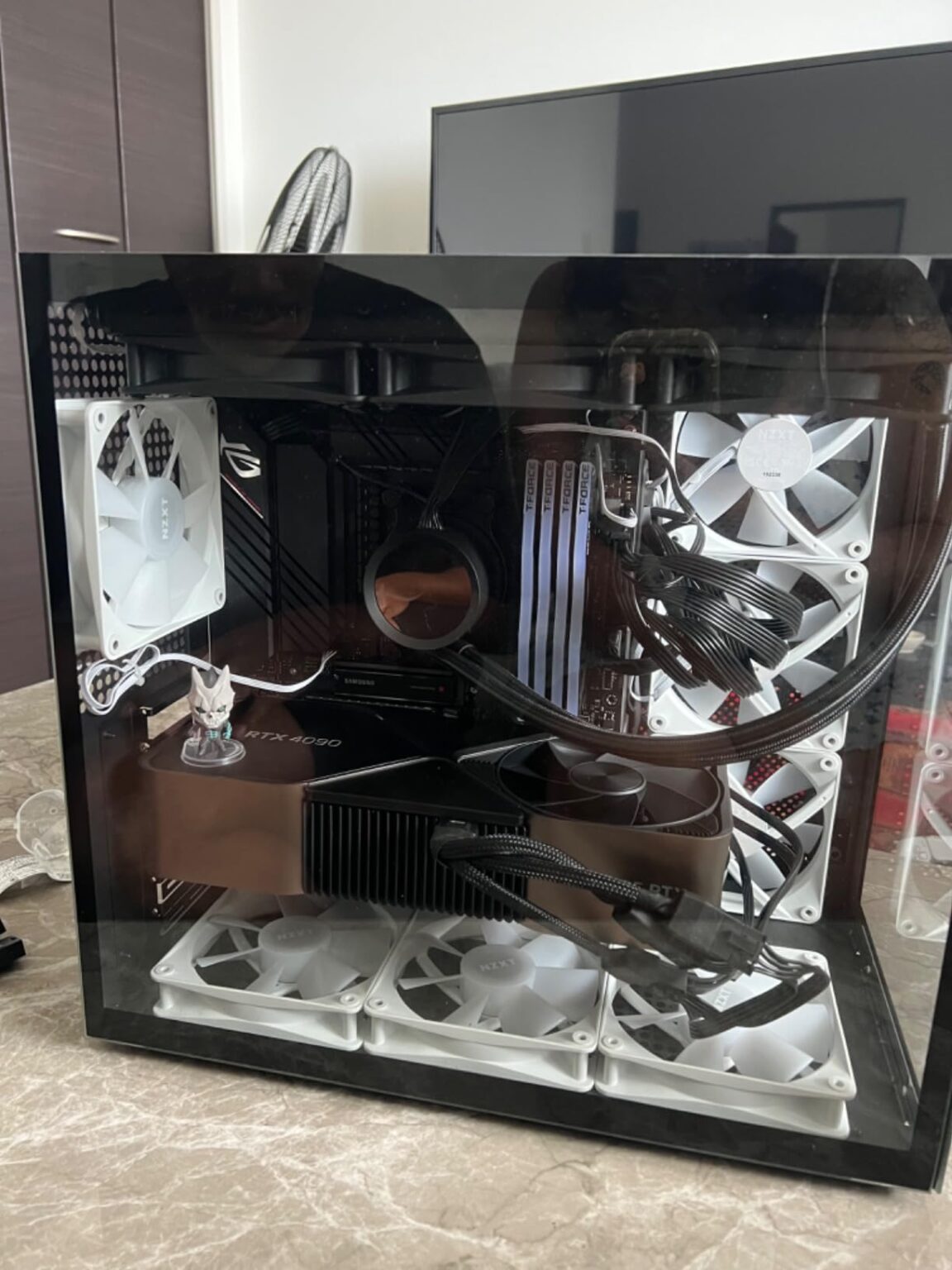
Best PC Builds For Gaming 2026 From 500 Budgets To 4 000 Tom S . Best Graphics Card 2026 Comparison Ranking And Buying Guide For PC Gpu Performance Scores Clean Vertical. Le Migliori GPU Gaming 2026 In Attesa Della Prossima Generazione AC SL1500 . 2026 GPU Price Rise AMD NVIDIA Graphics Card To Get More Expensive Gpu Price Rise 2026 Amd Nvidia . 12 Best Graphics Cards 2026 GPUs For PC Gaming Tested B0BJFRT43X Customer 2 1 1152x1536

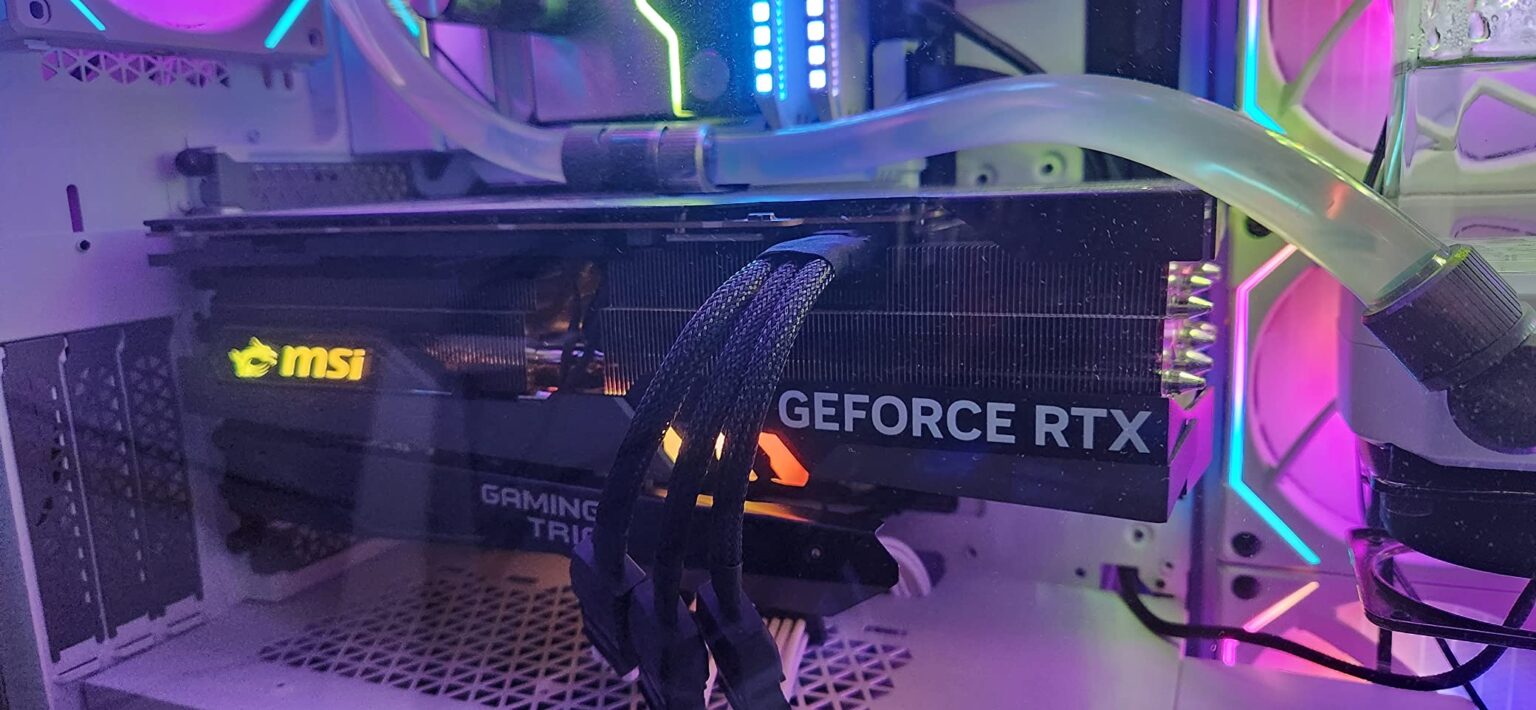
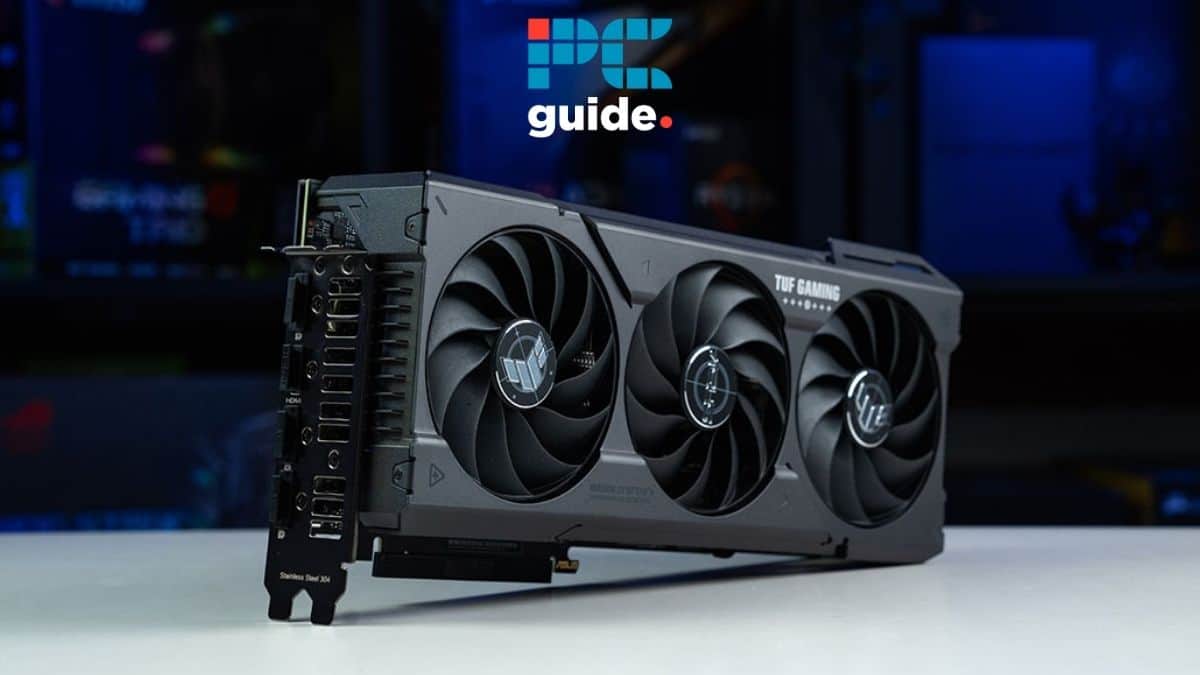
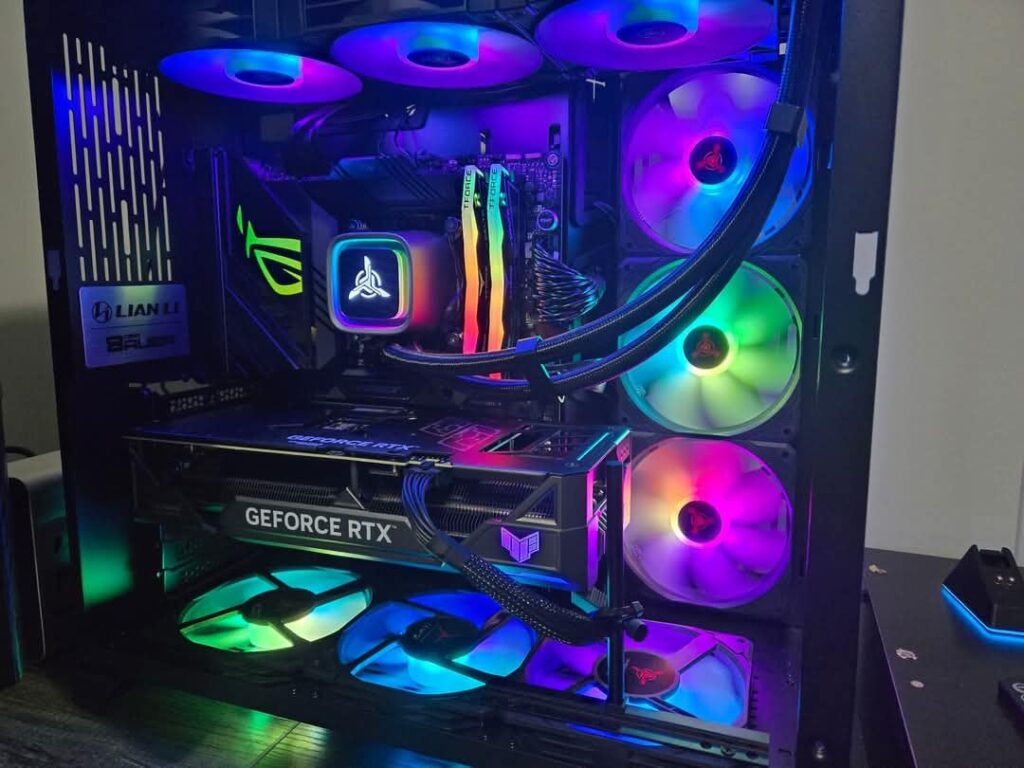
PC Gaming In 2026 Faces GPU Shortages And Rising Prices NoobFeed Rx 9060 Xt . 12 Best Graphics Cards 2026 GPUs For PC Gaming Tested B0BJFRT43X Customer 3 1 1152x1536 . 12 Best Graphics Cards 2026 GPUs For PC Gaming Tested B0BG94PS2F Customer 1 1536x710 . Best RTX 2060 Graphics Card 2026 Our Top Picks PC Guide Best GPU For 1440p 144Hz . 12 Best Graphics Cards 2026 GPUs For PC Gaming Tested B0CS3VH4M1 Customer 2 1024x768


PC Gaming 2026 The End Of An Era And The Advent Of Next Gen Ventilateur Carte Graphique 700x420 . 13 Best GPUs For Gaming 2026 Top Graphics Cards Ranked Banner 5.webp. Best Graphics Cards In 2026 I Ve Tested Pretty Much Every AMD And . Best Gaming Graphics Cards 2026 NVIDIA RT Gaming PC Guru Best Wireless Gaming Keyboard 2026 800x500 . 11 Top Cheap Gaming PC Builds For 2026 Savings Grove 11 Top Cheap Gaming Pc Builds For 2026 Pin S11 20260325 035007


Best Graphics Card 2026 Top GPUs For Gaming AI Value 81JPZdpeH L. AC SL1500 . Increase In Graphics Card Prices In 2026 Analysis And Real Curves Gpu Rtx 5080. Info Ultimate Graphics Card Comparison Guide 2025 NVIDIA AMD Proxy.php. Digital Printout 2026 Goals Punch Cards Vauliys PC Game . 13 Best GPUs For Gaming 2026 Top Graphics Cards Ranked Banner 11.webp


10 Best Graphics Cards GPUs Ranking March 2026 Tested Best Gaming PC Deals 1024x559 . Best Graphics Cards For PC 2026 12 Models Tested 41BR8zaSFaL . What Graphics Cards Are Compatible With My PC Tom S Hardware . 12 Best Gaming PC Under 500 In 2026 Tested Reviewed Best Budget Graphics Cards For Gaming PC Builds 1024x576 . Printable Happy New Year 2026 FREE Printable A Z Buy Colorful Printable Happy New Year 2026 Card 5 Square Throughout Printable Happy New Year 2026


12 Best Graphics Cards 2026 GPUs For PC Gaming Tested B0BGV6LQYR Customer 2 4 225x300 . 12 Best Graphics Cards 2026 GPUs For PC Gaming Tested B0DS2R6948 Customer 2 2 225x300 . 2026 Card Game Release Schedule Card Gamer Cg 2026 Releases . 2026 Dash Pack Campaign NEWS Digimon Card Game Img 01 . 2026 Bingo Cards Etsy Il 149v




Campeonato Pok Mon Da Am Rica Latina 2026 Ganha Detalhes Laic 2026 Promo Card.webp. PC Gaming In 2026 Faces GPU Shortages And Rising Prices NoobFeed Rtx 5070 Ti . Best Graphics Card 2026 Our Top GPUs For Gaming Tested And Reviewed Screenshot 2026 01 13 154228 1 . 12 Best Graphics Cards 2026 GPUs For PC Gaming Tested B0BNLSDRKB Customer 2 5 300x108 . Best Graphics Card 2026 Top Gaming GPUs Best Graphics Card Ray Tracing Example